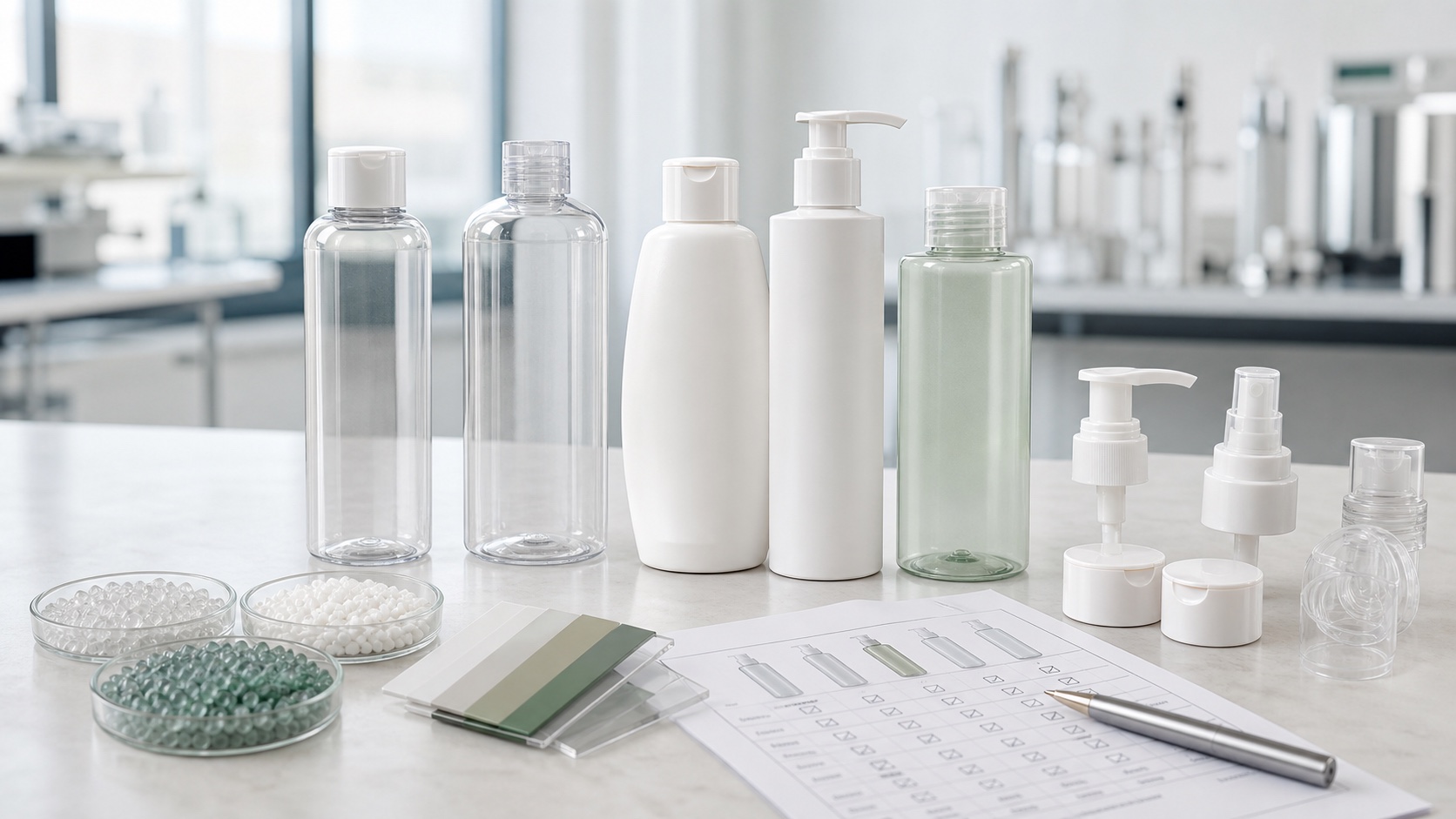
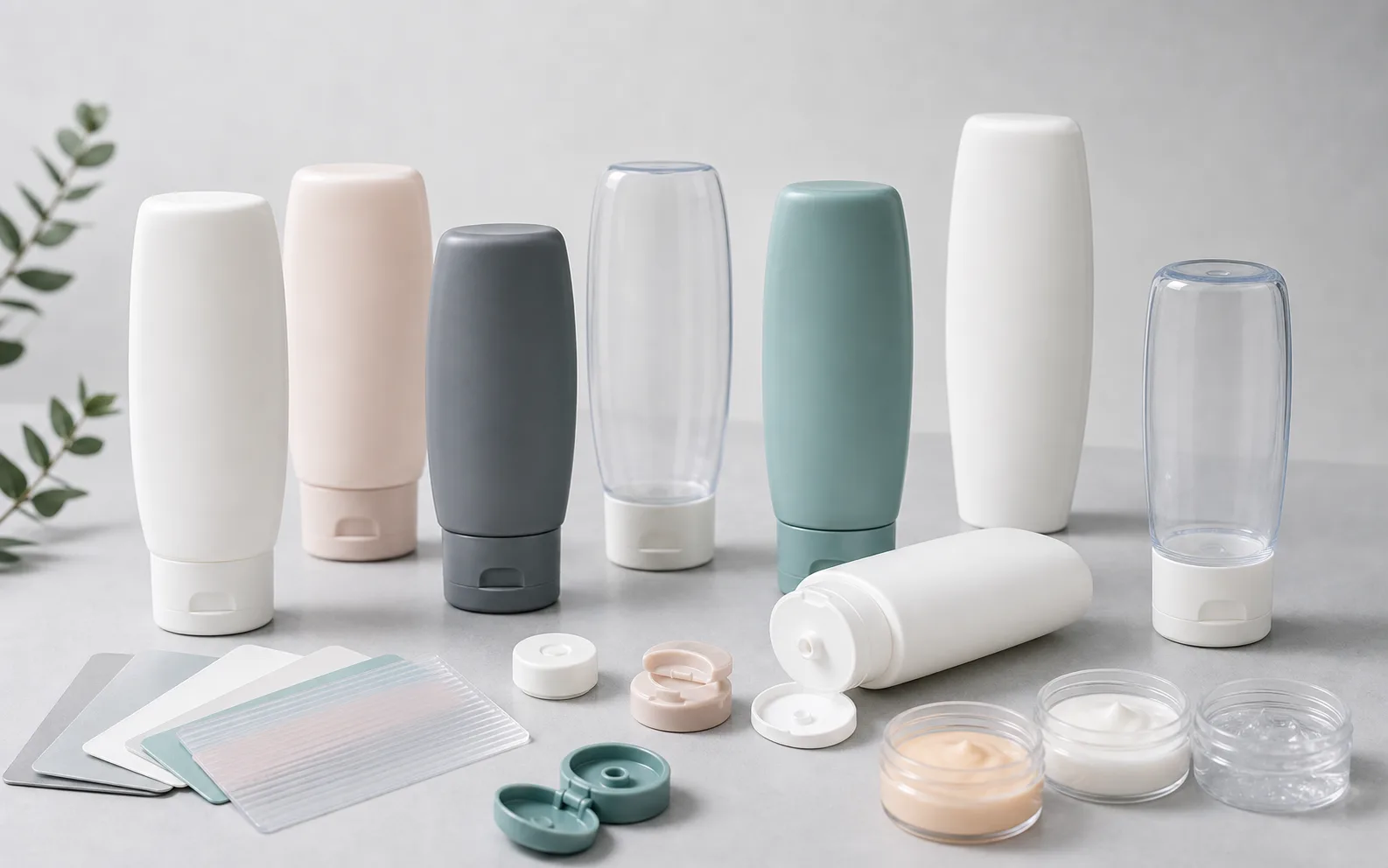
Tottle packaging is a squeezable beauty-packaging format that sits between a tube and a bottle. It usually has a soft body, a bottle-like shoulder or neck, and a cap that can let the pack stand upside down so lotion, cleanser, hair care, body care, or other squeezable formulas stay close to the dispensing point.
For packaging teams, the question is not only "What is a tottle?" The better question is whether a tottle gives the formula better evacuation, shelf presence, cap control, decoration area, and sample performance than a standard tube or upright bottle.
Use this guide to compare tottles with tubes and plastic bottles, define cap and orifice needs, plan filled-sample checks, and prepare a useful RFQ before reviewing tottle packaging options with JPS Packaging.
Quick answer: when does a tottle make sense?
A tottle is worth considering when the product needs a squeezable pack, fast product access near the cap, a cleaner shelf-facing shape than a soft tube, and enough structure for decoration or retail presentation. It is often reviewed for lotions, cleansers, gels, hair care, body care, hand creams, primers, and sunscreen-adjacent personal care formulas.
| Choose a tottle when | Use another route when | What to test |
| The formula is squeezable and benefits from cap-down storage. | The formula is too thick, gritty, volatile, or sensitive for the selected body and closure. | Squeeze recovery, dispensing, residue, and filled-sample stability. |
| The brand wants a bottle-like shape with a softer hand feel. | A flexible tube, jar, airless pack, or pump bottle gives the user a better dispensing experience. | User grip, product evacuation, cap feel, and shelf display. |
| The cap or base orientation matters for retail display or bathroom use. | The sales channel needs a different closure, carton, or shipping format. | Upright, side, and inverted storage; cap torque; carton and shipper fit. |
Tottle vs tube vs bottle
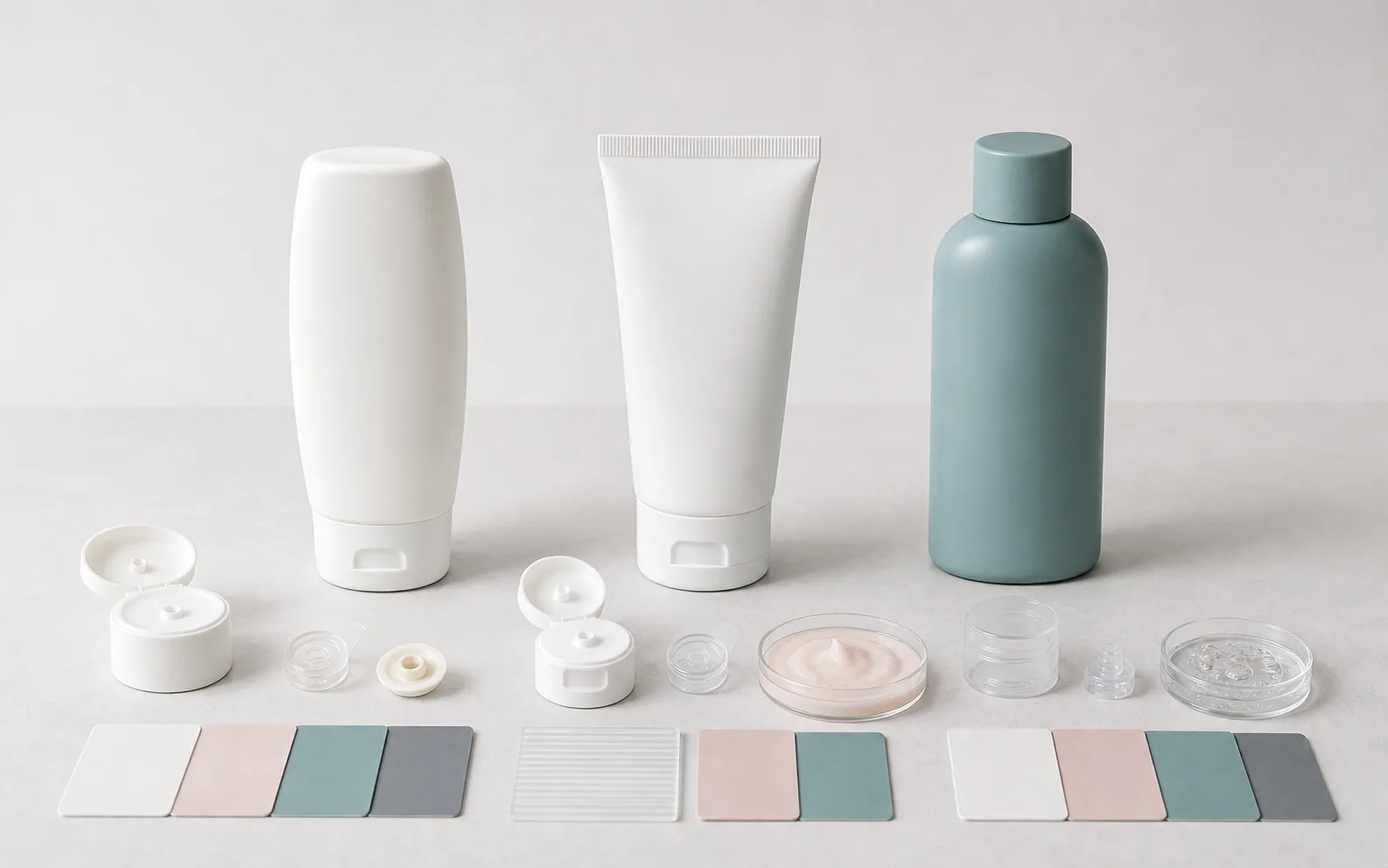
A tottle is not just a squeeze tube with a different name. It normally has more bottle-like structure than a tube, but it still depends on squeeze behavior. That makes it useful when the project sits between a tube and a bottle decision.
| Format | Good fit | Watch-outs | JPS link |
| Tottle | Squeezable formulas that need a structured shape, cap-down convenience, and a clean front panel. | Cap seal, orifice size, squeeze recovery, paneling, and leakage checks matter. | Compare tottle packaging |
| Squeeze tube | Creams, gels, cleansers, hand care, and formulas that fit a tube body and tube seal route. | Crimp, shoulder, cap, artwork distortion, and tube recovery need review. | Compare cosmetic tube packaging or plastic cosmetic tubes |
| Upright plastic bottle | More fluid formulas, pump/spray/flip-cap dispensing, and projects that need a familiar bottle profile. | Viscosity, pump output, dip tube, cap fit, and bottle evacuation may drive the decision. | Review plastic bottles for cosmetic packaging |
What parts of a tottle should buyers define?
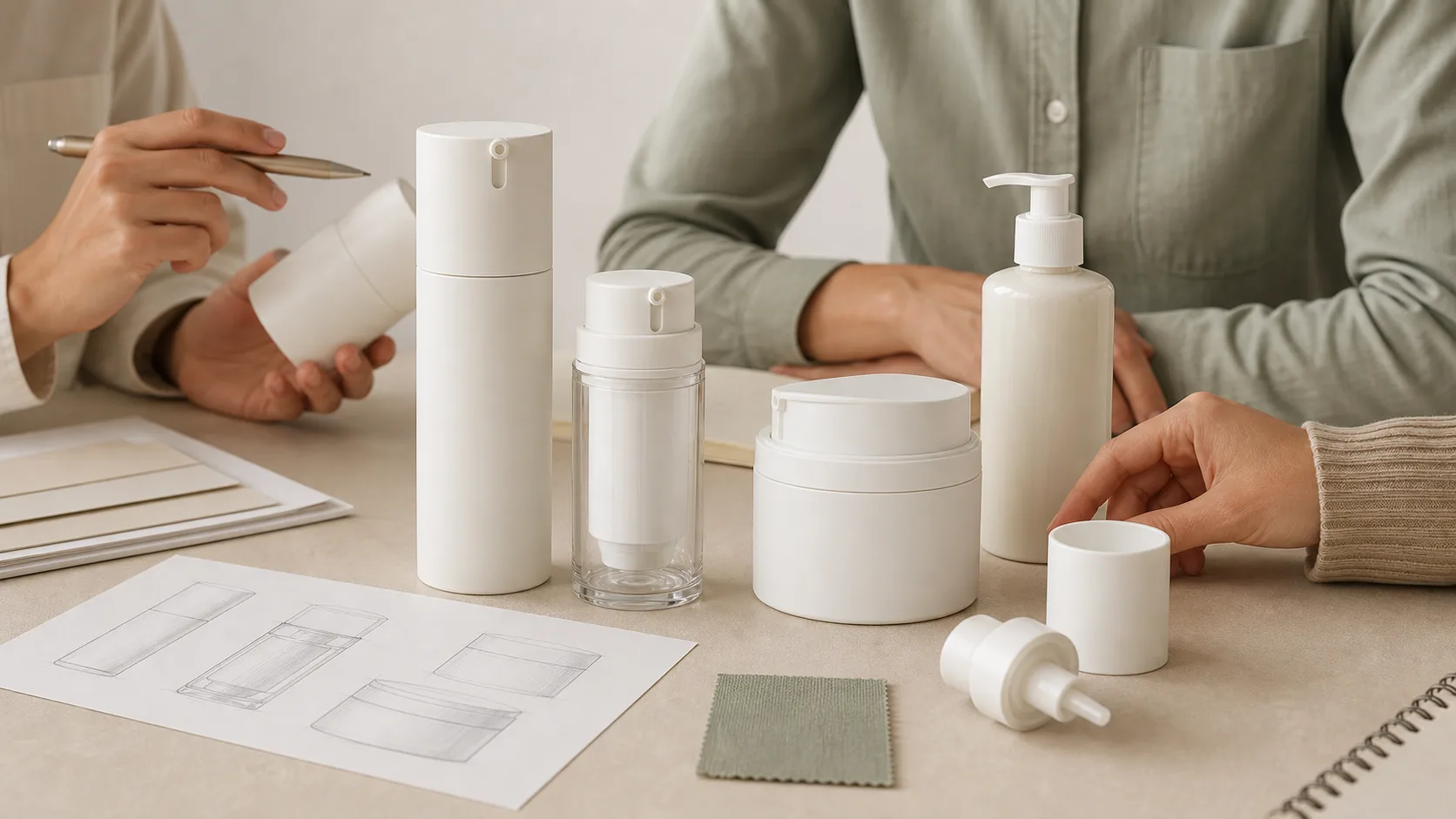
A useful tottle brief separates the body, closure, orifice, decoration, formula, and carton instead of treating the pack as one generic bottle. That keeps the sample process focused and helps a supplier check what is actually available.
Body: shape, capacity, wall feel, squeeze recovery, shoulder profile, opacity or clarity, and decoration area.
Closure: flip-top cap, disc-top cap, screw cap, hinge feel, cap base, travel behavior, and user opening force.
Orifice or reducer: opening size, dispensing path, formula stringing, dose control, and residue around the cap.
Decoration: label, screen print, hot stamping, coating, color matching, cap color, and carton coordination.
Pack-out: carton fit, shelf orientation, e-commerce shipping, leakage checks, and sample approval file.
For cap, closure, and dispensing decisions, review the tottle together with cosmetic packaging closures and dispensers rather than approving the body alone.
Formula fit comes before the shape
Tottles are usually considered for formulas that can move through a cap opening when squeezed. Lotion, cleanser, gel, hand cream, hair treatment, body care, and some hybrid beauty formulas may fit this route, but the final decision depends on the exact formula.
Check viscosity, oil level, fragrance, alcohol, surfactants, exfoliants, pigments, waxes, active ingredients, and preservative system against the proposed body, cap, orifice, label, ink, liner, and carton. A package can look right empty and still behave poorly once filled.
For sunscreen-adjacent or sun care packaging, keep the language in packaging territory. In the United States, FDA explains that products intended to protect users from the sun are regulated as drugs, and FDA sunscreen guidance does not allow terms such as "waterproof," "sweatproof," or "sunblock" on sunscreen labels. Packaging teams should avoid turning a component discussion into an SPF, therapeutic, or regulatory-compliance claim. See FDA guidance on cosmetic vs. drug status and FDA information on OTC sunscreen products marketed in the U.S..
Material and sustainability claims need component-level review
Tottles may be discussed in PE, HDPE, LDPE, MDPE, PP, PET, or PCR-related routes in the broader market, but material availability is supplier- and SKU-specific. Do not assume that one material route, cap, or decoration method is available for every size or project.
Environmental wording also needs caution. The FTC Green Guides are designed to help marketers avoid misleading environmental claims, and the APR Design Guide treats recyclability as a package-design question involving resin, size, shape, color, labels, adhesives, closures, and other components. For tottles, that means the body, cap, orifice, label, ink, and selling market all matter.
Use the JPS guide to sustainable packaging materials for cosmetics for broader claim planning, and check the FTC Green Guides and APR Design Guide overview before using recyclable, recycled-content, PCR, eco-friendly, or mono-material language.
Decoration must survive squeezing, filling, and handling
Tottle decoration is different from decorating a rigid jar or straight-wall bottle. The body may flex, the shoulder may curve, the cap may become the base, and the formula may leave residue around the dispensing area. Labels, screen printing, hot stamping, coatings, and cap decoration should be checked on physical samples.
Before choosing a decoration route, define the surface material, squeeze area, artwork position, cap color, formula exposure, carton fit, and handling environment. JPS Packaging's guide to packaging decoration and labeling explains why proofing, sample review, adhesion, rub, readability, and pack-out checks matter before bulk production.
Filled-sample checks before bulk sourcing
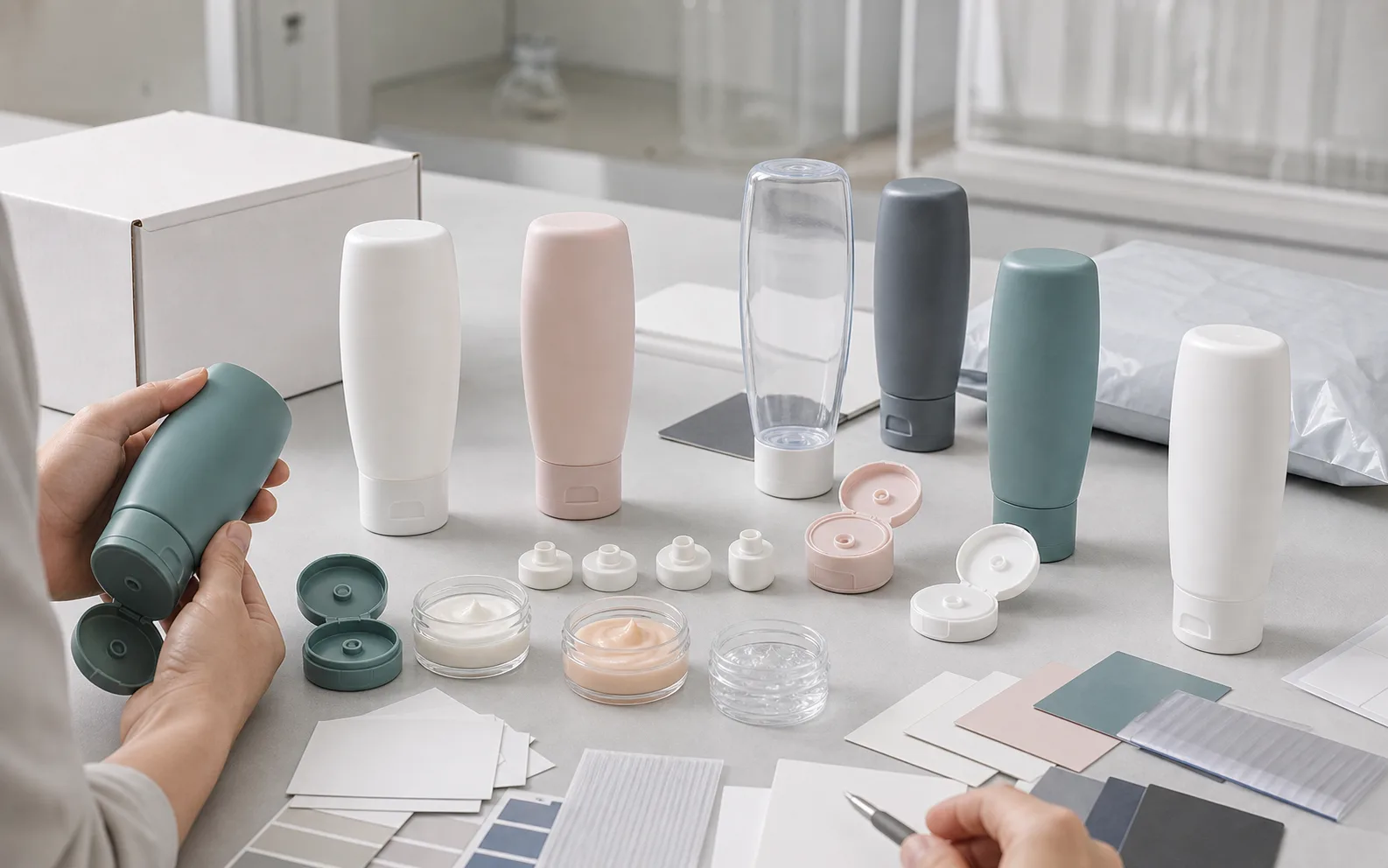
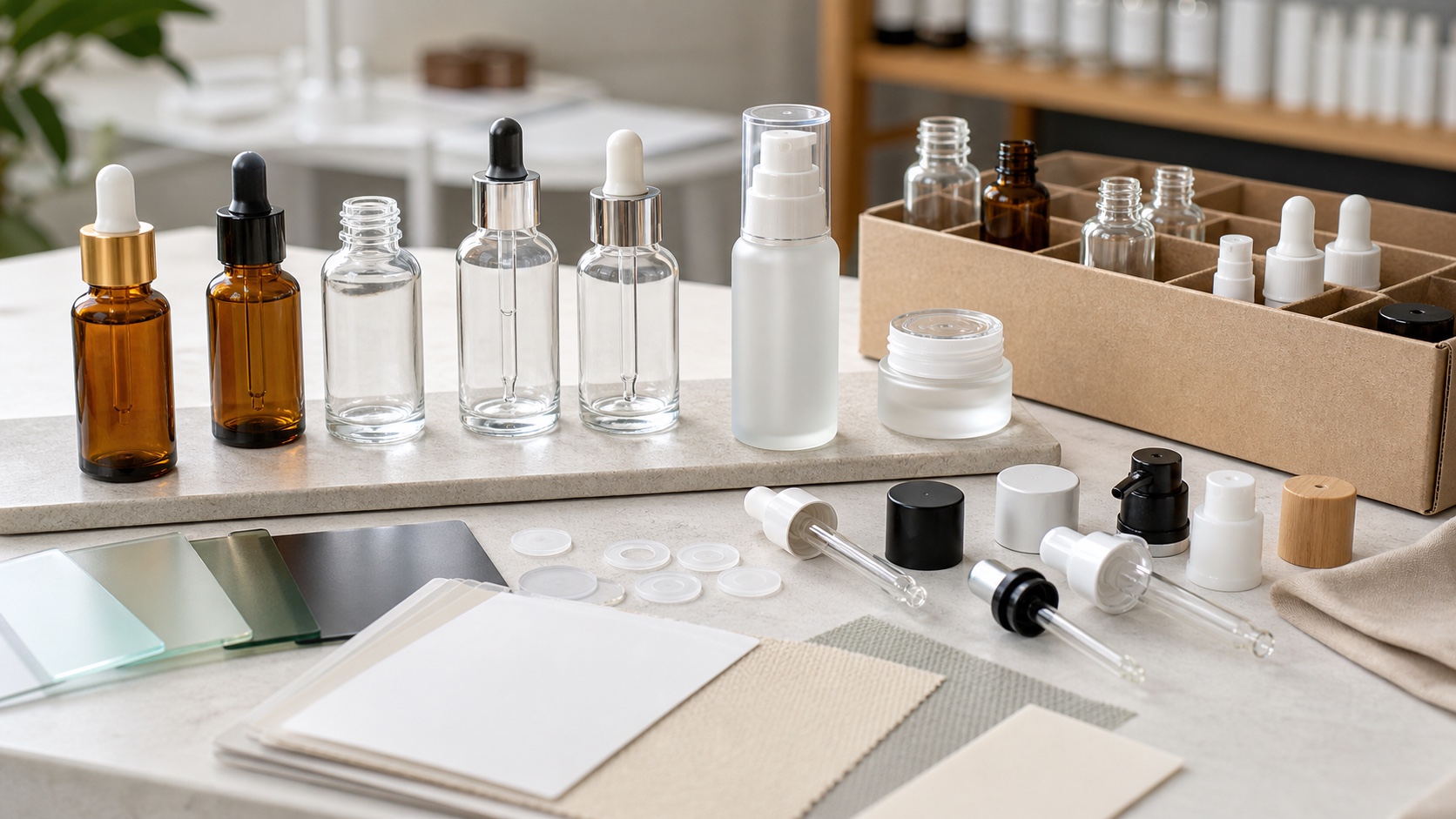
A tottle should be approved as a filled package, not as an empty container. Run checks that match the actual formula, sales channel, and pack-out.
| Check | What to review | Why it matters |
| Draw and dispense | Squeeze force, product flow, stringing, residue, cap cleanliness, and user feel. | The formula must dispense cleanly through the selected cap and orifice. |
| Storage orientation | Cap-down, cap-up, side storage, fill level, and temperature exposure where relevant. | An inverted pack places more attention on closure fit and leakage risk. |
| Formula compatibility | Body changes, odor, staining, swelling, stress marks, paneling, label movement, and decoration interaction. | The body, cap, ink, label, and liner can all interact with the formula. |
| Transport and pack-out | Carton fit, cap protection, shipper orientation, drop/compression exposure, and leakage checks. | Transit hazards can reveal problems that a desk sample will miss. |
ASTM D4169 provides a laboratory framework for performance testing of shipping containers and systems, and ISTA publishes transport test procedures, including parcel-delivery contexts such as ISTA 3A. These references support testing discipline; they do not prove that any specific tottle package is leakproof or distribution-ready without project-specific testing. See ASTM D4169 and ISTA test procedures.
RFQ checklist for tottle packaging
When the project is ready for supplier review, prepare more than a reference image. Send enough detail for JPS Packaging to check the route realistically.
Formula type, viscosity, fill target, and any oil, fragrance, surfactant, pigment, exfoliant, or active-heavy concerns.
Target capacity, desired squeeze feel, cap-down or cap-up display, and whether travel or e-commerce handling matters.
Preferred cap style, orifice size direction, closure color, and whether the cap needs to act as the standing base.
Material direction, color target, decoration method, artwork status, label area, carton plan, and sample deadline.
Quantity target, stock vs custom expectations, destination market, and any sustainability or claim wording the brand wants to evaluate.
For custom color, decoration, sampling, stock-route, or private-mold questions, use custom cosmetic packaging support as the planning path. When you have formula, capacity, cap, decoration, sample, quantity, and timing details ready, send the tottle packaging brief to the JPS packaging team.
FAQ
What exactly is a tottle?
A tottle is a squeezable package that combines traits of a tube and a bottle. It often has a soft body, bottle-like shoulder or neck, and a cap that lets the pack stand cap-down for easier product access.
What is the difference between a tottle and a squeeze tube?
A squeeze tube is usually more tube-like in body and seal construction. A tottle often has a more bottle-like profile and cap/base presentation. The better choice depends on formula viscosity, filling route, cap choice, decoration, shelf presence, and sample testing.
Why choose a tottle over a standard plastic bottle?
Choose a tottle when the formula benefits from squeezing and cap-down storage but the brand still wants a structured, bottle-like shape. Use a standard bottle when pump, spray, flip-cap, dip-tube, or upright presentation works better for the formula and user experience.
What materials are commonly used for tottles?
The broader market discusses PE, HDPE, LDPE, MDPE, PP, PET, and PCR-related routes, but actual material availability depends on the supplier, mold, size, closure, decoration, and project requirements. Confirm material options with the exact sample and quote.
Can tottles be customized?
Many tottle projects can review custom color, cap color, labels, printing, hot stamping, coating, carton matching, or custom tooling. Availability depends on the selected format, material, decoration method, MOQ, sample approval, and production route.
Are tottles recyclable?
Some tottle designs may support recyclability-oriented goals, but the claim depends on the exact body resin, cap, orifice, label, ink, adhesive, color, size, local collection access, and supplier documentation. Do not treat a resin name or resin code as a finished-package recycling claim.
Can a tottle be used for sunscreen packaging?
Tottles are often considered for sunscreen-adjacent personal care and sun care packaging, but U.S. sunscreen products can involve drug-labeling rules. Keep the packaging discussion separate from SPF, therapeutic, waterproof, sweatproof, or sunblock claims unless regulatory experts have reviewed the finished product and label.
How do I test whether a tottle works with my formula?
Use filled samples. Check squeeze force, dispensing, residue, cap seal, storage orientation, leakage risk, body changes, label adhesion, decoration durability, carton fit, and shipping behavior before approving bulk production.