

Frosted Glass Bottles for Skincare: The Premium Choice Combining Luxury, Protection, and Sustainability
In the increasingly crowded skincare packaging market, frosted glass has emerged as the aesthetic and functional choice for premium beauty brands seeking to communicate luxury, quality, and values alignment simultaneously. Far more than a decorative treatment, frosted glass represents a strategic packaging decision that elevates brand perception while delivering genuine product protection benefits. For skincare brands ready to differentiate through sophisticated design, authentic sustainability positioning, and formulation integrity, frosted glass bottles deliver tangible advantages across consumer perception, product preservation, and environmental responsibility dimensions. This comprehensive guide explores why frosted glass has become central to a premium skincare packaging strategy.
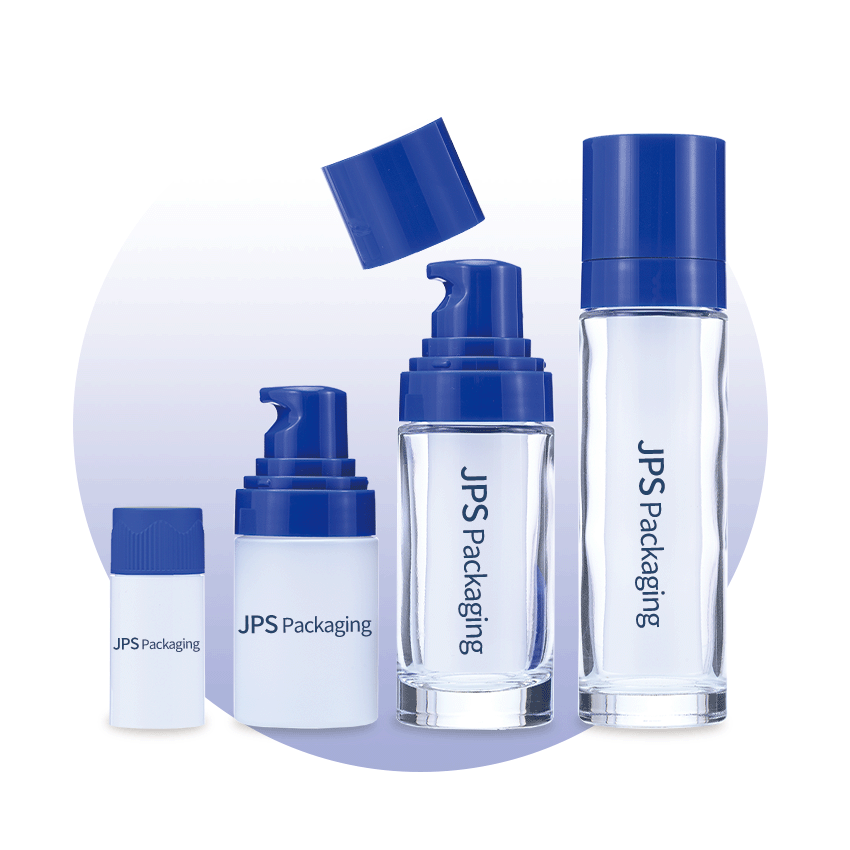
The Frosted Glass Phenomenon: Why Premium Brands Are Adopting Frosted Finishes
Market Momentum and Consumer Preference
Recent market data reveals extraordinary growth in frosted glass packaging adoption across premium beauty segments. Frosted glass has established itself as a top choice in the cosmetic and beauty industry, driven by its unique combination of functionality, aesthetics, and sustainability. Consumer research consistently demonstrates that frosted glass communicates sophistication and quality, with 70% of consumers reporting higher purchase intent for products packaged in frosted glass compared to clear alternatives.
This consumer preference is not superficial. When consumers hold a frosted glass bottle, they experience a distinct tactile and visual message: refined luxury, authentic quality, environmental consciousness, and formulation sophistication. This psychological positioning directly translates to premium pricing power, improved brand perception, and measurable sales increases.
The "Soft Matte Aesthetic" Trend Dominating 2025 Design
The dominant packaging aesthetic for 2025 increasingly favors minimalist, refined designs that communicate clarity and authenticity through material expression rather than elaborate ornamentation. Frosted glass aligns perfectly with this aesthetic evolution, delivering sophisticated visual presence through material choice alone.
The soft matte appearance of frosted glass creates an "elegant, soft-focus look that helps convey purity, calmness, and premium value"—exactly the brand associations that luxury skincare seeks to communicate. Unlike glossy clear glass, which can feel clinical or cold, frosted finishes create warmth and approachability while maintaining premium perception.
Luxury Brand Adoption Across Categories
Leading luxury skincare brands globally are aggressively adopting frosted glass as signature packaging. From luxury serums to premium facial treatments, frosted glass has become synonymous with high-end skincare positioning. This widespread adoption across respected brands validates frosted glass as a mainstream luxury choice rather than specialty niche application.
Why Frosted Glass Delivers Superior Value: The Multi-Dimensional Advantage
Premium Aesthetic Without Visual Compromise
Frosted glass delivers luxury perception through refined visual expression. The matte finish creates a "clean, soft-focus look that communicates sophistication and exclusivity" while maintaining visual accessibility that allows consumers to appreciate product color and consistency.
Unlike completely opaque packaging that prevents product visibility, frosted glass provides selective transparency—allowing light to diffuse through the material rather than transmit clearly. This creates an elegant aesthetic where "the frosted finish provides a soft, elegant look while still allowing a glimpse of the product"—balancing privacy with product visibility.
The tactile dimension further elevates perception. The velvety, matte surface provides a pleasant sensory experience that reinforces luxury positioning. When consumers hold a frosted glass bottle, the smooth texture and substantial weight communicate quality and value proposition, strengthening emotional connection and perceived efficacy.
Superior Light Protection for Sensitive Formulations
One critical distinction between frosted and clear glass is frosted's superior light diffusion properties. While frosted glass provides meaningful UV protection, the mechanism operates through light scattering rather than absolute absorption.
Frosted glass bottles provide "valuable UV protection, ensuring that sensitive ingredients in skincare items like serums and creams maintain their efficacy longer". This protective quality is particularly important for formulations containing light-sensitive actives: vitamins C and A, retinoids, botanical extracts, antioxidants, and peptides prone to degradation under UV exposure.
The diffusion mechanism—whether achieved through acid etching, sandblasting, or moulded texture—reduces direct light transmission while allowing ambient light to illuminate product contents. This approach delivers practical light protection for formulations with mild-to-moderate light sensitivity, while maintaining product visibility consumers increasingly expect.
For formulations with extreme light sensitivity requiring near-total light barrier, amber or colored glass remains optimal. However, for mainstream skincare products requiring moderate protection combined with premium aesthetics, frosted glass represents the ideal compromise.
Fingerprint and Smudge Resistance: Practical Luxury
A frequently overlooked functional advantage of frosted glass is resistance to fingerprints and smudges. The matte surface's texture prevents oils from creating visible marks, maintaining pristine appearance throughout product lifecycle—particularly important for premium packaging where minor blemishes damage brand perception.
This practical advantage combines aesthetic and functional benefits. Consumers appreciate that frosted glass retains its elegant appearance through repeated handling, use, and storage—a subtle but meaningful quality signal reinforcing premium positioning.
Sustainability Aligned with Consumer Values
Frosted glass inherits all fundamental sustainability advantages of glass packaging: 100% recyclability without quality degradation, infinite reuse potential, and compatibility with circular economy models.
Beyond material advantages, frosted glass represents authentic sustainability commitment through material choice alone. Consumers increasingly understand that frosted finishes are achieved through sophisticated decoration techniques (acid etching, spray coating, or moulded surface texture) rather than chemical coatings. This transparency about production methods appeals to environmentally conscious consumers skeptical of sustainability claims unsupported by material reality.
The durability of frosted finishes further supports sustainability. Unlike coatings that deteriorate or peel, acid-etched frosting is permanently integrated with glass surface structure, ensuring that packaging appearance persists throughout product lifecycle and storage. This permanence means packaging remains attractive for repurposing or long-term retention—extending brand visibility and supporting consumer refill engagement.
Frosted Glass Production Techniques: From Traditional to Innovative
Acid Etching: The Premium Gold Standard
Acid etching represents the most sophisticated and widely adopted frosting technique, with roots extending thousands of years into glass history through "French embossing" and traditional artisan methods.
Modern acid etching employs controlled chemical processes where "a mild acidic solution gently corrodes the topmost surface layer" of glass, creating a permanently frosted matte appearance. The process operates as follows: a design or pattern is applied as an acid-resistant mask; the exposed glass receives acid treatment; the chemical corrosion creates micro-roughness on the surface that scatters light, producing the signature frosted aesthetic.
The result is a frosted finish with exceptional permanence and refinement. Unlike spray coatings that can deteriorate or peel with use, acid-etched frosting is structurally integrated with glass material itself. The smooth, uniform appearance of acid etching creates a satin finish that communicates refined luxury, while the durability ensures appearance persists indefinitely.
Acid etching enables design flexibility including full-bottle coverage, custom patterns, logo integration, and gradient effects—allowing brands to create distinctive aesthetic expressions aligned with specific brand positioning.
Spray Frosting: Versatility and Speed
Spray frosting represents an alternative technique employing "semi-translucent lacquer evenly sprayed to the surface" of glass containers. The sprayed coating is then cured, typically through heat, to ensure proper adhesion.
Spray frosting advantages include faster production timelines and ability to achieve color and frosting simultaneously (unlike acid etching which creates white matte finishes). This versatility makes spray frosting valuable for brands seeking colored frosted effects or rapid customization capabilities.
However, spray frosted finishes present durability considerations. The applied coating, while durable under normal use, can be susceptible to scratching or scuffing compared to permanently acid-etched alternatives. High-quality spray frosting using premium decorators minimizes these risks, but acid etching remains the preferred technique for packaging requiring absolute permanence.
Sandblasting: The Textured Alternative
Sandblasting creates frosted effects through mechanical surface abrasion using high-pressure particles, leaving a roughened finish that scatters light. This technique offers exceptional durability and textural depth but is less commonly employed for cosmetic packaging due to production complexity and cost considerations relative to acid etching.
Moulded Surface Texture: Frosting Without Added Processes
An innovative approach involves incorporating frosted texture directly into bottle moulds during glass manufacturing. Rather than applying frosting as a secondary process, specific mould patterns replicate the uneven surface characteristic of acid-etched glass, creating a frosted appearance "straight from the manufacturing mould".
This approach eliminates secondary decoration processes, reducing production complexity and costs while eliminating concerns about coating durability. The frosted appearance derives from glass structure itself rather than applied coatings. This manufacturing innovation represents the future of frosted glass production, particularly for high-volume, cost-sensitive applications.
Frosted Glass Applications Across Skincare Categories
Face Serums: The Signature Application
Face serums represent the archetypal frosted glass application, with frosted bottles "often paired with droppers" to create premium, sophisticated presentation. The combination of frosted glass with precision dropper closure communicates product sophistication, clinical efficacy, and careful formulation integrity.
Serums typically contain light-sensitive active ingredients—vitamin C, hyaluronic acid concentrates, peptides, botanical extracts—making frosted glass's light diffusion properties particularly valuable for efficacy preservation. The frosted aesthetic also supports premium pricing positioning that serums command in competitive skincare markets.
Face Oils and Essential Oil Blends
Face oils and essential oil formulations represent another primary frosted glass category. These lightweight, nutrient-dense formulations benefit from both frosted glass's light protection properties and luxury aesthetic that communicates product premium positioning.
The compatibility between frosted finishes and dropper closures creates a refined presentation that appeals to consumers seeking pure, botanical-derived skincare. The combination communicates authenticity, formulation purity, and sophisticated beauty rituals.
Toners and Essences: Lightweight Liquid Formulations
Facial toners and essences increasingly adopt frosted glass, particularly for premium brands positioning products as sophisticated treatment steps rather than basic cleansing products. The frosted finish elevates lightweight liquid formulations into premium category perception, supporting premium pricing and brand positioning differentiation.
Specialty Treatments: Eye Creams, Concentrated Serums, and Targeted Solutions
Concentrated treatment products—eye creams, targeted blemish serums, pore-minimizing concentrates—leverage frosted glass's luxury aesthetic and light protection properties. These specialty applications often command premium pricing, where packaging sophistication directly influences purchase decisions.
Fragrances and Aromatic Products
Beyond traditional skincare, frosted glass represents the signature packaging for solid perfumes, fragrance sprays, and aromatic skincare treatments. The frosted finish elevates fragrances from functional to luxurious category, creating memorable unboxing experiences that support premium brand positioning.
Addressing Frosted Glass Packaging Considerations
UV Protection Limitations
Frosted glass provides meaningful but incomplete UV protection—generally suitable for formulations with mild-to-moderate light sensitivity, but insufficient for extreme protection requirements. Products containing highly photosensitive actives (concentrated vitamin C, retinol at high concentrations, or specialized unstable compounds) may require amber or fully opaque colored glass for optimal protection.
Communicating these distinctions to clients ensures appropriate material selection aligned with specific formulation requirements rather than assuming frosted glass provides protection equivalent to amber alternatives.
Coating Durability (Spray Frosting)
Spray frosted finishes, while durable under normal use, can be susceptible to scratching or scuffing through aggressive handling or abrasive contact. Acid etching eliminates these concerns through permanent surface integration, but spray frosting requires quality assurance processes ensuring minimal defects.
Manufacturing Consistency
High-quality frosted glass requires rigorous manufacturing quality assurance ensuring consistent frosting appearance across all units. Premium decorators and experienced manufacturers maintain tight quality tolerances preventing variations in frosting uniformity or intensity that could compromise brand perception.
Fingerprint Prevention on Matte Surfaces
While frosted surfaces resist fingerprints better than clear glass, intensive handling can still leave minor marks. Educating consumers about this natural characteristic and providing care instructions supports satisfaction with product appearance through extended use cycles.
The Strategic Business Case for Frosted Glass Skincare Packaging
Premium Pricing Power and Margin Optimization
Frosted glass enables brands to command premium pricing justified by perceived luxury, formulation sophistication, and environmental alignment. Consumer research demonstrates willingness to pay 20-35% price premiums for frosted glass packaged products compared to clear alternatives—directly supporting superior profitability.
This pricing power is particularly valuable for emerging skincare brands seeking to establish premium positioning quickly. Packaging choice communicates quality expectations that justify premium pricing from market entry, enabling favorable margin structures supporting profitability and reinvestment capacity.
Competitive Differentiation and Shelf Presence
In retail environments or online marketplaces, frosted glass bottles create distinctive visual presence that attracts consumer attention and drives impulse purchase behavior. The refined aesthetic communicates premium positioning, supporting brand differentiation in increasingly crowded skincare markets.
On social media, where beauty packaging has become content itself, frosted glass creates highly shareable, Instagram-optimized visual assets. The sophisticated aesthetic encourages consumer photography and organic content amplification, supporting brand visibility and market reach without paid media investment.
Sustainability as Competitive Moat
In 2025, genuine sustainability credentials represent competitive differentiation. Brands adopting frosted glass—particularly with environmental transparency about production methods—demonstrate authentic commitment to sustainability that resonates with increasingly conscious consumer segments.
This positioning is particularly valuable for brands seeking to compete on values as well as formulation. Frosted glass communicates environmental stewardship through material choice alone, without requiring additional messaging or marketing investment to explain sustainability positioning.
Consumer Repurposing and Extended Brand Engagement
Frosted glass's premium aesthetic encourages consumer retention and repurposing. Unlike plastic packaging typically discarded after use, frosted glass bottles become storage vessels, decorative objects, or refill containers extending brand presence beyond initial purchase.
This extended engagement creates repeated brand interactions, strengthening emotional connection and supporting customer lifetime value through loyalty and repeat purchase behavior.
Refillable System Integration
Frosted glass's refillable format compatibility unlocks subscription and recurring revenue models. Brands can develop refillable systems enabling consumers to retain beautiful frosted containers while purchasing product refills, creating sustainable revenue streams while building environmental credentials.
2025 Trends Shaping Frosted Glass Skincare Packaging Evolution
Minimalist Aesthetic Dominance Through Frosted Elegance
Frosted glass increasingly becomes the material foundation for 2025's dominant minimalist aesthetic. Rather than relying on elaborate printing or complex ornamentation, brands employ frosted finishes as core design statement—achieving visual sophistication through material expression rather than decorative complexity.
Advanced Hybrid Decoration Techniques
Brands increasingly combine frosted glass with complementary decoration techniques: frosted surfaces with glossy logo elements creating contrast; acid etching with metallic foil stamping for luxury effects; laser engraving combined with frosted backgrounds for permanent precision marking.
These sophisticated combinations enable premium brands to create visually distinctive packaging that communicates quality, values alignment, and brand sophistication simultaneously.
Smart Packaging Integration
Even subtle frosted bottles incorporate digital features. QR codes, NFC chips, or laser-engraved regulatory information enable consumer access to usage guidance, ingredient sourcing transparency, sustainability information, and authentication verification.
Moulded Texture Innovation
Manufacturing innovation increasingly incorporates frosted texture directly into glass moulds rather than applying frosting as secondary process. This approach eliminates coating durability concerns while reducing production complexity and costs—enabling broader market adoption of frosted glass across price segments.
Color and Gradient Experimentation
While traditional frosted glass creates white matte finishes, emerging spray frosting techniques and colored glass combinations enable gradient effects, subtle color variations, and sophisticated finish expressions supporting distinctive brand aesthetics without compromising frosted elegance.
Conclusion: Frosted Glass as Premium Brand Platform
For skincare brands committed to premium positioning, authentic sustainability, and consumer values alignment, frosted glass represents far more than decorative packaging choice—it is a strategic platform communicating quality, environmental responsibility, and brand values simultaneously.
Frosted glass's convergence of premium aesthetic appeal, formulation protection properties, sustainability credentials, and consumer repurposing encouragement creates compelling value across luxury perception, product efficacy, and environmental dimensions. In 2025, brands adopting frosted glass are making definitive statement: sophisticated design matters, formulation integrity is paramount, and environmental responsibility is integral to brand identity.
The future of premium skincare packaging increasingly revolves around materials and finishes that deliver aesthetic sophistication, functional performance, and environmental authenticity. Frosted glass, when designed strategically and executed thoughtfully, embodies precisely that integration—creating packaging that elevates consumer experience, strengthens brand positioning, and advances genuine sustainability objectives all at once.
share








Searching for sustainable, cost-efficient packaging that fits your brand?
Contact us today!

