

Aluminum Bottles for Skincare: The Premium, Sustainable Choice for Conscious Brands
The skincare packaging landscape is shifting decisively toward materials that balance performance, aesthetics, and environmental responsibility. Aluminum has emerged as a transformative choice for premium beauty brands—not as a secondary option, but as a primary strategy for brands seeking to differentiate through both luxury and sustainability. Unlike glass and plastic, which dominate through familiarity, aluminum represents a deliberate choice that communicates quality, innovation, and genuine environmental commitment. For skincare brands ready to elevate their market positioning, aluminum bottles deliver tangible advantages that extend far beyond packaging. This comprehensive guide explores why aluminum has become the choice material for forward-thinking skincare brands.
Why Aluminum Commands Premium Positioning in Skincare Packaging
Infinite Recyclability Without Quality Degradation
Aluminum stands apart from all competing materials on one defining characteristic: infinite recyclability without any loss of quality. This property is not theoretical—it is transformative. Approximately 75% of all aluminum ever produced remains in use today, demonstrating the material's genuine circular economy potential. When recycled, aluminum requires only 5% of the energy consumed during primary aluminum production, creating a carbon profile dramatically superior to both glass and plastic.
This energy advantage is quantifiable. Aluminum bottles produced from 100% recycled content have a carbon footprint 96% lower than virgin aluminum, making PCR (post-consumer recycled) aluminum the most environmentally responsible material choice for skincare packaging. For brands seeking authentic sustainability credentials rather than greenwashing, aluminum delivers measurable proof of environmental stewardship.
Contrast this with plastic, which degrades with each recycling cycle, or glass, which requires energy-intensive remelting processes that damage environmental credentials over multiple cycles. Aluminum's infinite recyclability without degradation enables genuine circular economy models that extend indefinitely.
Superior Product Protection Through Impeccable Barrier Properties
While aluminum excels as an environmental statement, its functional capabilities are equally compelling. Aluminum provides exceptional barrier properties that protect skincare formulations from light, oxygen, and moisture—the three primary enemies of active ingredients. This protection is particularly critical for advanced skincare formulations featuring light-sensitive actives like vitamins C and A, retinoids, botanical extracts, and unstable oxidation-prone ingredients.
Oxygen prevents oxidation degradation of oils, fragrances, and botanical infusions, maintaining efficacy throughout the product's shelf life. Moisture protection is essential for preventing ingredient crystallization, separation, or hydration-induced instability. Light-blocking properties preserve formulation color and activity of photosensitive compounds.
This comprehensive protection extends product shelf life measurably, reducing waste and improving consumer value. For premium skincare brands formulating with sophisticated, expensive actives, aluminum packaging becomes a functional necessity rather than an aesthetic choice.
Lightweight Excellence: Sustainability Meets Logistics
Aluminum's remarkable strength-to-weight ratio creates cascading advantages throughout the supply chain. Despite exceptional durability and structural integrity, aluminum weighs significantly less than glass, reducing shipping costs and carbon emissions associated with transportation.
For D2C brands managing e-commerce logistics, this weight advantage compounds across thousands of orders, generating tangible cost savings that support profitability. The environmental benefit is equally compelling—reduced shipping weight means reduced fuel consumption and associated emissions per unit sold. This dual advantage—economic and environmental—makes aluminum particularly attractive for sustainable brands seeking to align values with operational efficiency.
Additionally, lightweight aluminum enables shipping of complete product collections without prohibitive weight premiums, supporting brand bundling strategies and subscription models that drive consumer lifetime value.
Anodized Aluminum: The Technical Advantage
A distinctive feature of aluminum bottles is the ability to undergo anodizing—an electrochemical process that fundamentally transforms surface properties. During anodizing, aluminum is placed in an acid electrolyte bath where electric current passes through the medium. This controlled oxidation process creates a protective layer of aluminum oxide on the surface that is harder, more durable, and far more corrosion-resistant than untreated aluminum.
The benefits extend beyond protection. Anodized surfaces offer superior color stability, excellent UV resistance, and non-toxic chemical stability that persists throughout the product lifecycle. Unlike epoxy coatings (an alternative surface treatment), anodized finishes cannot chip or peel because the protective layer is integrated with the underlying aluminum metal through controlled oxidation.
For skincare brands utilizing formulations containing aggressive actives—concentrated acids, strong essential oils, or chemical exfoliants—anodized aluminum prevents any interaction between formulation and packaging material. This is critical for maintaining both product safety and packaging integrity.
Luxury Aesthetic That Communicates Premium Positioning
Aluminum bottles possess an intrinsic aesthetic refinement that communicates premium positioning without requiring elaborate decoration. The material's natural metallic sheen, combined with smooth tactile properties and sophisticated weight, creates an unboxing experience that reinforces luxury perception.
When consumers hold an aluminum bottle, they encounter a tangible representation of quality. The material weight provides reassurance that contents represent genuine value. The smooth surface and refined finish communicate attention to detail. These tactile and visual signals—created by material choice alone—strengthen consumer perception of product efficacy and justify premium pricing.
Aluminum's aesthetic advantage extends to minimalist design sensibilities. The material's inherent elegance supports clean, stripped-down packaging that communicates transparency and authenticity—increasingly important to conscious consumers skeptical of excessive, wasteful packaging.
Market Trends: Aluminum's Ascendance in 2025
Premium Brands' Strategic Shift Toward Aluminum
The skincare industry's premium segment is increasingly adopting aluminum as a deliberate strategic choice. Luxury beauty brands recognize that aluminum communicates multiple brand values simultaneously: sustainability commitment, product quality, formulation sophistication, and environmental responsibility.
Industry experts with decades of packaging experience note that aluminum adoption represents a genuine trend driven by "savvy consumers" who understand sustainability and willingly pay premium prices for authentic environmental action. This consumer understanding is critical—aluminum is typically more expensive than plastic initially, but higher pricing power enabled by premium perception transforms the cost equation, supporting healthy margins.
The expansion extends beyond luxury into mainstream premium skincare. Indie brands, clinical skincare lines, and sustainability-focused companies are aggressively adopting aluminum tubes specifically to communicate quality and values alignment. The visibility of successful aluminum adoption across brand segments validates aluminum as a legitimate, scalable packaging strategy rather than niche positioning.
Refillable Systems Transforming Consumer Engagement
Perhaps aluminum's most significant 2025 trend is the explosion of refillable aluminum systems that create genuine circular economy models. Allowing consumers to retain durable aluminum cases while purchasing only product refills.
These systems deliver multiple advantages simultaneously. Consumers reduce packaging waste by 70%-80% per purchase while enjoying premium brand experience. Brands establish ongoing revenue through refill subscriptions while building consumer loyalty through convenience and environmental alignment. From a supply chain perspective, refillable systems dramatically reduce packaging volume and associated environmental impact.
Hybrid Aluminum Solutions: Combining Materials for Optimal Performance
Innovation in aluminum packaging increasingly involves strategic hybridization—combining aluminum with complementary materials to optimize specific functional or aesthetic requirements.
The most compelling example is bamboo-aluminum hybrid jars that feature aluminum inner liners combined with natural bamboo outer shells. This combination delivers aluminum's protective barrier properties and sustainability credentials while adding the tactile, natural aesthetic that resonates with eco-conscious consumers. The packaging is completely plastic-free, reusable, and creates a distinctive brand presence that stands apart from uniform aluminum offerings.
Aluminum-plastic tube combinations (aluminum bodies with plastic tops) have become established in skincare, offering aluminum's sustainability profile with plastic's functional flexibility for pumps and closures. This pragmatic hybridization acknowledges that not all packaging functions are optimally served by single materials—combining materials strategically creates superior overall performance.
Smart Packaging Integration with Aluminum
Even sophisticated aluminum packaging can incorporate digital innovation. QR codes, NFC chips, and RFID technology enable consumers to access detailed product information, ingredient sourcing verification, recycling instructions, and authenticity confirmation. These digital layers add consumer engagement and transparency without compromising aluminum's refined aesthetics.
Brands increasingly embed digital features into aluminum packaging to tell sustainability stories—providing transparent information about recycling pathways, post-consumer recycled content percentages, and circular economy impact. This transparency directly appeals to consumers skeptical of sustainability claims and seeking verifiable environmental action.
Aluminum Bottle Types and Applications for Skincare
Aluminum Bottles: The Signature Format
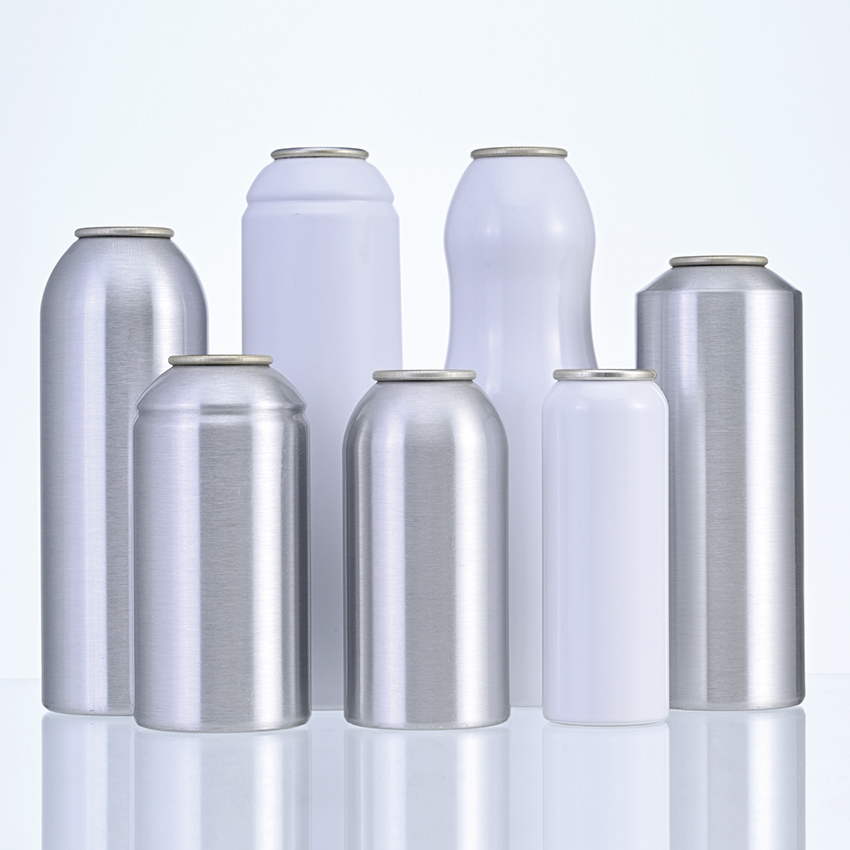
Aluminum bottles represent the foundational skincare packaging option, available in various sizes from travel formats (5-15 ml) to full-size containers (30-50 ml). Bottles are ideal for liquid and lightweight gel formulations—serums, toners, essences, and light moisturizers that require precise dispensing and protection from light exposure.
Aluminum bottles combine exceptional clarity (when not anodized) with protective barrier properties. The material supports spray tops, fine mist dispensers, and precision pump closures, enabling sophisticated user experiences that enhance both functionality and brand perception.
Aluminum Tubes: The Premium Application
Aluminum tubes have become the signature skincare packaging for creams, pastes, and thicker formulations. The collapsible nature of aluminum tubes offers exceptional efficiency—users extract product completely without waste, and each use compresses the tube, minimizing air exposure and maintaining formulation freshness.
For skincare brands, aluminum tubes communicate premium positioning instantly. The material weight, sophisticated metallic finish, and tactile sophistication create powerful luxury associations. Functionally, tubes enable complete product usage, supporting the luxury brand value proposition that expensive actives should be maximized rather than wasted.
The customization possibilities for aluminum tubes are extensive. Printing techniques can cover nearly the entire tube surface with brand messaging, creating packaging that functions as a premium brand statement rather than mere container.
Aluminum Tins and Jars: Luxury Closures
Aluminum tins and jars—typically featuring screw-top closures—serve specialty applications including lip balms, solid perfumes, eye creams, and concentrated masks. The substantial weight and refined aesthetic of aluminum tins create memorable brand moments during product use.
Aluminum tins support extensive customization through anodizing, coating, printing, and embossing, enabling luxury brands to create highly distinctive packaging that becomes a collectible brand artifact.
Aluminum-Plastic Hybrids: Functional Optimization
Aluminum bodies combined with plastic closure components (pumps, spray tops, crimp applicators) create functional hybrid systems that leverage each material's optimal properties. The aluminum exterior delivers sustainability, protection, and aesthetic excellence while plastic components provide functional sophistication that pure aluminum sometimes cannot achieve.
These hybrids are particularly valuable for foaming face washes, spray serums, and pump-dispensed moisturizers where plastic closure functionality is essential but aluminum's barrier properties and sustainability are strategically important.
Addressing Aluminum Packaging Considerations
Production Energy and Mining Impact
Aluminum's primary environmental challenge is energy-intensive extraction and production. Mining disrupts ecosystems, and primary aluminum smelting consumes significant electricity. This reality is important to acknowledge authentically rather than ignore.
However, the narrative transforms dramatically when considering recycling. Recycled aluminum requires only 5% of the energy consumed during primary production, creating a carbon breakeven point after only 2-3 uses compared to alternative materials. For skincare packaging—where refillable systems and infinite recyclability extend the material lifecycle indefinitely—the energy equation becomes powerfully favorable.
Strategic sourcing of PCR (post-consumer recycled) aluminum maximizes environmental benefits. Brands using 100% PCR aluminum eliminate mining impacts entirely while achieving near-zero carbon footprints.
Interior Coating Considerations
Aluminum requires protective interior coatings to prevent direct contact between formulation and aluminum metal, which could cause ingredient degradation or leaching. These coatings are critical but add complexity and cost.
Modern interior coatings have advanced significantly. BPA-NI (BPA non-intentionally added) liners meet strict European food-contact standards and provide safer alternatives to traditional BPA liners. These coatings prevent ingredient-aluminum interaction while minimizing health concerns, though some debate continues about optimal liner solutions.
Aesthetic Imperfections: Dents and Scratches
Aluminum's only notable aesthetic vulnerability is susceptibility to denting during handling and transportation. While dents do not compromise functionality, they can damage premium brand perception requiring careful handling protocols and protective packaging during logistics.
Enhanced coating technologies, embossing, and textured finishes can actually leverage this vulnerability by making minor imperfections less visible while creating distinctive brand aesthetics.
The Strategic Business Case for Aluminum Skincare Packaging
Premium Pricing Power and Margin Optimization
Aluminum's material choice signals quality and values alignment, enabling brands to command premium pricing that supports healthy margins. Consumers actively expect to pay more for aluminum packaging, viewing the material investment as proof of brand commitment to quality and sustainability.
This pricing power is particularly valuable for emerging brands seeking to establish premium positioning while managing production costs. The initial per-unit cost premium of aluminum relative to plastic is typically recouped through 15-20% pricing elevation, creating superior profitability compared to plastic-packaged competitors.
Environmental Credentials as Competitive Moat
In 2025, sustainability is not optional for premium brands—it is foundational to credibility. Aluminum packaging demonstrates authentic environmental commitment through measurable action rather than messaging alone. For brands seeking to compete on values as well as formulation, aluminum becomes a strategic differentiator that competitors cannot easily replicate without equivalent investment.
Consumer Loyalty and Repurposing Extension
Aluminum's premium aesthetic encourages repurposing and retention. Unlike plastic bottles typically discarded after use, aluminum containers become storage vessels, travel containers, or even collectible brand artifacts. This extended brand lifecycle creates ongoing marketing value and reinforces brand loyalty through tactile daily engagement.
Alignment with Regulatory Trajectories and Future-Proofing
By adopting aluminum, particularly PCR aluminum, brands are proactively aligning with evolving sustainability regulations. EU mandates for recycled content, anticipated circular economy legislation, and emerging global sustainability standards increasingly favor materials with infinite recyclability and proven circular economy pathways.
Early aluminum adoption positions brands ahead of regulatory curves, avoiding costly future repackaging investments while establishing first-mover advantage in sustainability positioning.
Refillable Revenue Model Innovation
Refillable aluminum systems unlock new revenue models. Subscription-based refill services, consumable refill pods, and customer retention through convenience create multiple revenue streams from single initial sale. This business model innovation extends customer lifetime value while building environmental credentials that attract increasingly conscious consumer segments.
2025 Trends Shaping Aluminum Skincare Packaging Evolution
Ocean-Positive and Waste-Remediation Initiatives
Innovative companies are collecting ocean waste plastic and processing it into packaging materials, transforming environmental cleanup into packaging innovation. While aluminum itself is not ocean-harvested, aluminum brands increasingly integrate complementary sustainability stories—from ocean cleanup supply chain partnerships to ocean restoration fund commitments—that strengthen environmental positioning.
Combination Strategies: Aluminum with Sustainable Secondary Materials
The trend toward plastic elimination in packaging has accelerated aluminum adoption in hybrid systems. Aluminum-bamboo combinations, aluminum with biodegradable closures, and aluminum integrated with refillable systems represent the future of comprehensive sustainability in luxury skincare packaging.
Minimalist Aesthetic Dominance Through Material Expression
Aluminum's inherent refinement increasingly enables minimalist packaging aesthetics where material excellence replaces elaborate decoration. Clean finishes, unadorned aluminum surfaces, and subtle embossing create luxury through material expression rather than visual complexity.
Advanced Coating Technologies Eliminating Historic Concerns
Ongoing innovation in interior coatings addresses historical aluminum concerns. Research continues into safer, more sustainable lining options that maintain product protection while minimizing health concerns. These advancements make aluminum increasingly attractive as consumer confidence in coating safety improves.
Conclusion: Aluminum as Strategic Brand Platform
For skincare brands committed to premium positioning, environmental authenticity, and consumer values alignment, aluminum bottles represent far more than packaging—they are a strategic platform communicating quality, sustainability, and brand values simultaneously.
Aluminum's infinite recyclability, exceptional product protection, lightweight logistics, and luxury aesthetic create a compelling value proposition that extends across consumer, environmental, and business dimensions. In 2025, brands adopting aluminum are making a definitive statement: quality matters, sustainability is non-negotiable, and brand values are integral to product identity.
share








Searching for sustainable, cost-efficient packaging that fits your brand?
Contact us today!

