Procurement teams choosing glass bottles for skincare need a supplier-ready answer: which capacity, glass color, closure, decoration, MOQ, and sample tests fit the formula.
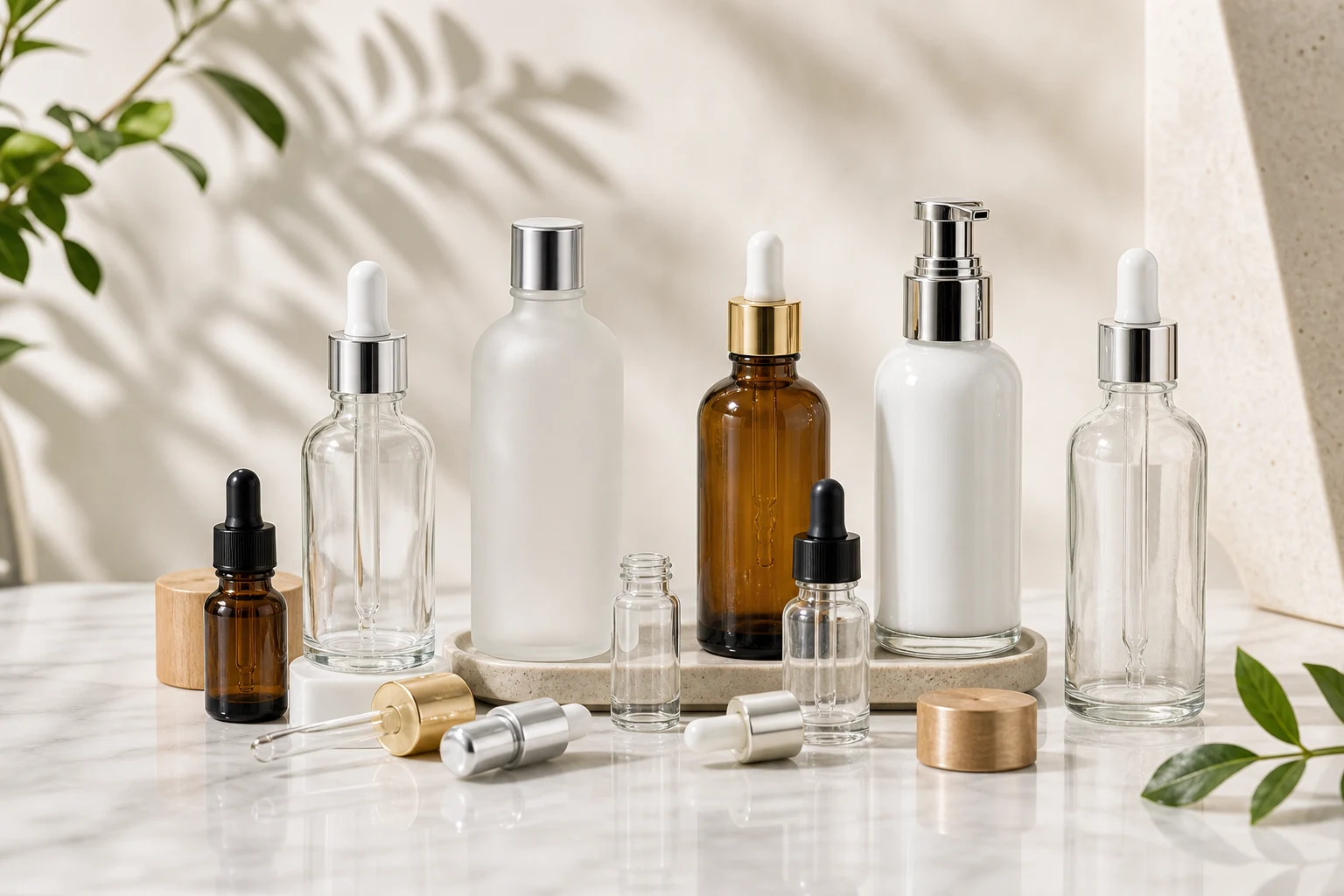
Glass bottles are often selected for serum, facial oil, toner, essence, lotion, and premium skincare because they support a clean shelf look and strong formula protection when the closure and carton are chosen correctly.
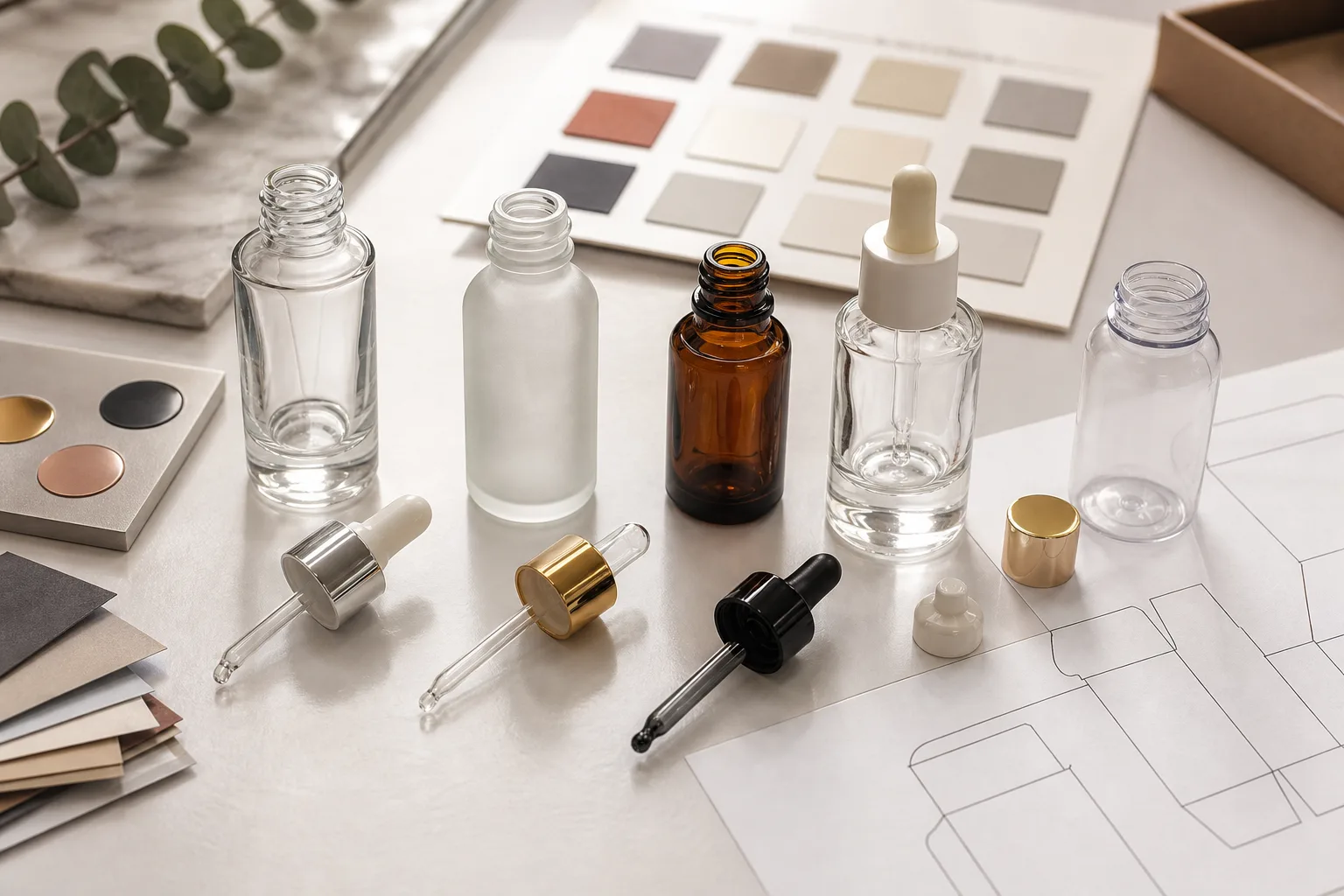
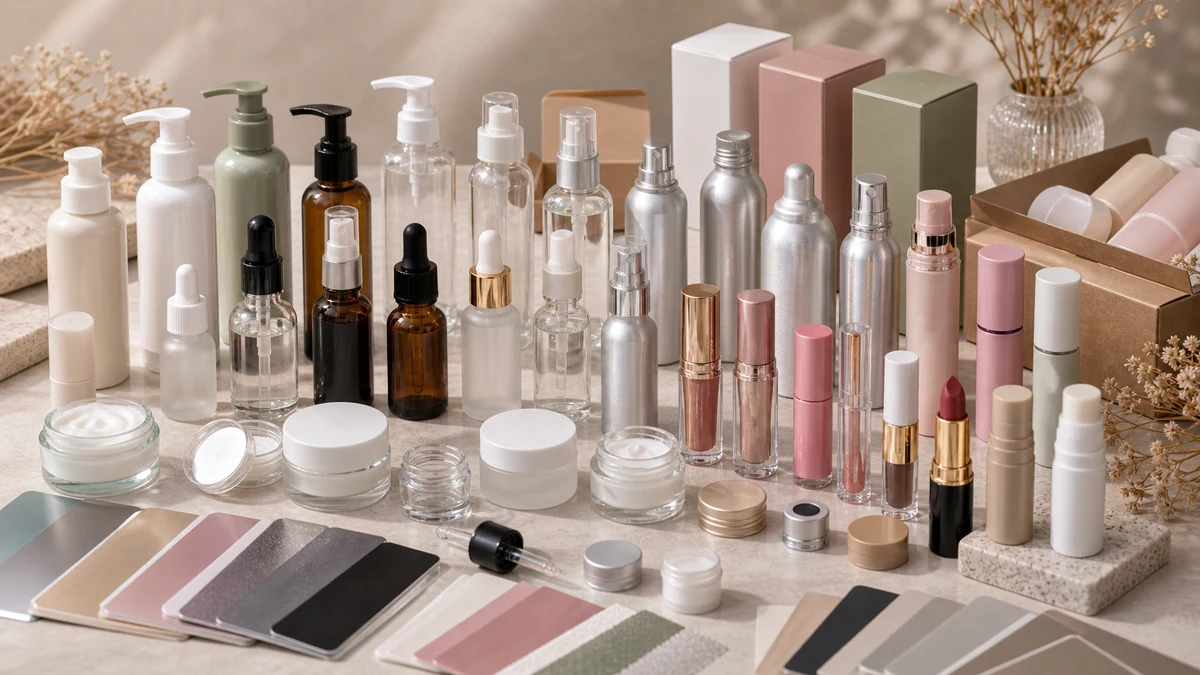
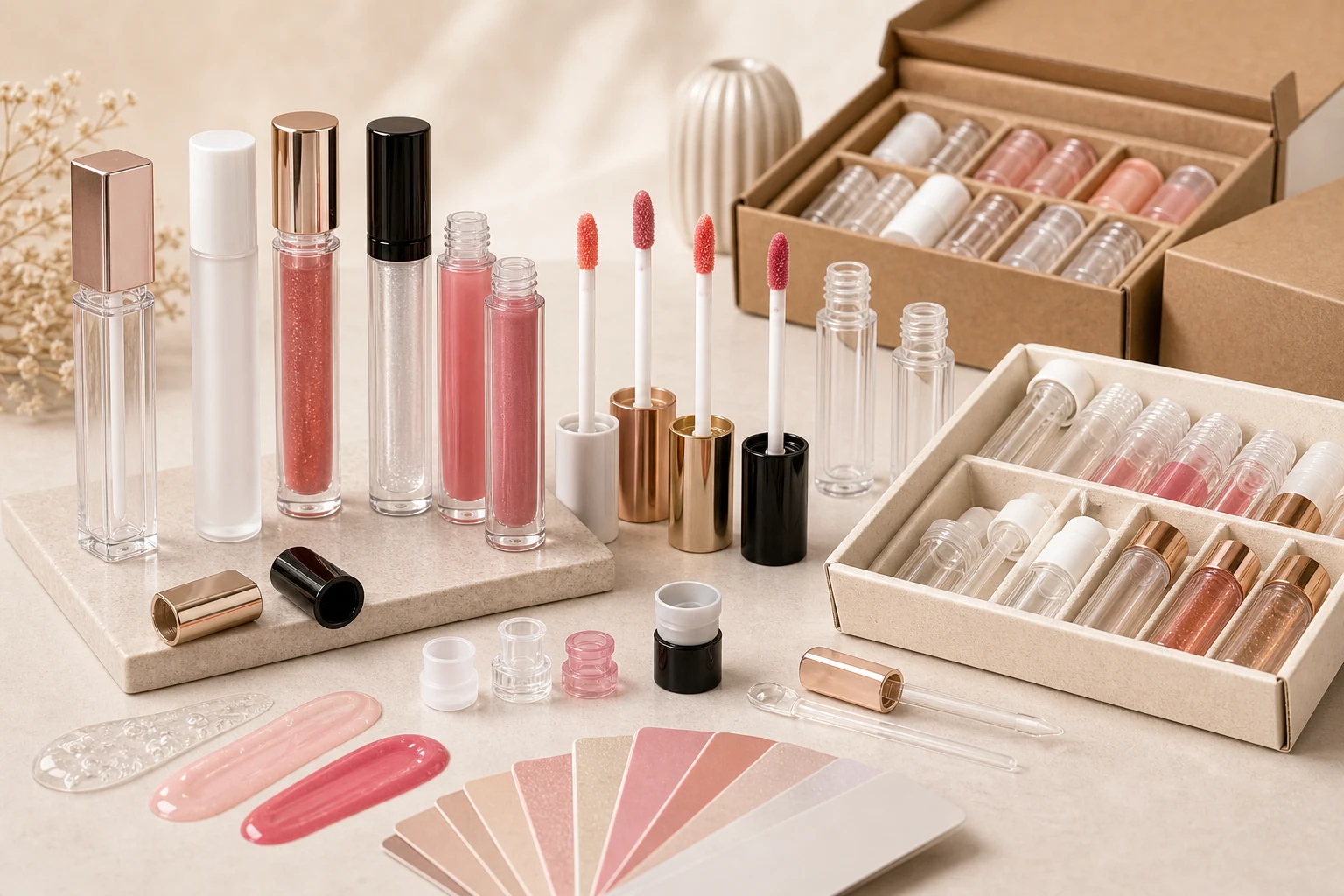
JPS can help compare clear, amber, frosted, coated, and decorated glass bottles with droppers, serum pumps, sprayers, reducers, screw caps, and matched cartons for skincare and makeup launches.
Quick Buyer Summary
| Buying question | Practical answer |
| Best fit | Serum, facial oil, essence, toner, lotion, treatment, and premium skincare ranges. |
| Core decision | Formula first, then glass type, capacity, neck finish, closure, decoration, MOQ, and shipping protection. |
| Common sizes | 5 ml, 10 ml, 15 ml, 30 ml, 50 ml, 100 ml and 120 ml, depending on product use. |
| Quote value | A clear brief helps compare glass bottle suppliers on the same capacity, closure, and decoration basis. |
Buyer Decision Points
| Project need | What to confirm before sampling |
| Choosing glass by formula type | Confirm whether serum, oil, toner, mist, or lotion needs clear, amber, frosted, or coated glass. |
| Supplier capability for glass skincare bottles | Confirm available glass types, closures, MOQ, decoration routes, sample timing, and export packing. |
| Dropper, pump, sprayer, or screw cap decision | Match dosage, viscosity, leakage risk, and user experience before choosing the bottle. |
| Larger body-care bottle request | Separate skincare serum bottles from shampoo, conditioner, or body-care pump bottles when size and packing requirements change. |
Glass Skincare Bottle Selection Table
| Specification | Common choices | Buyer note |
| Capacity | 5 ml to 120 ml for skincare; larger sizes for body care | Match size to formula value, use rate, and shipping weight. |
| Glass type | Clear, amber, frosted, coated, color sprayed | Amber and coated glass can support light-sensitive formulas. |
| Closure | Dropper, serum pump, mist sprayer, screw cap, reducer | Closure controls dosage, leakage, and user experience. |
| Decoration | Frosting, spray coating, screen print, hot stamping, label | Decoration changes sample time, MOQ, and durability testing. |
| Packing | Inner tray, carton, divider, export carton | Glass needs stronger drop and vibration planning than plastic. |
Choose Glass Bottles by Formula
| Use case | Recommended direction | Sampling focus |
| Serum or essence | 15 ml to 50 ml glass bottle with dropper or serum pump | Dosage, pipette length, viscosity, and leakage. |
| Facial oil | Amber or coated glass with dropper or reducer | Oil compatibility, cap seal, and light exposure. |
| Toner or mist | 50 ml to 100 ml bottle with sprayer or screw cap | Spray fit, weight, and breakage protection. |
| Lotion | 50 ml to 120 ml bottle with pump | Pump output, dip tube length, and carton strength. |
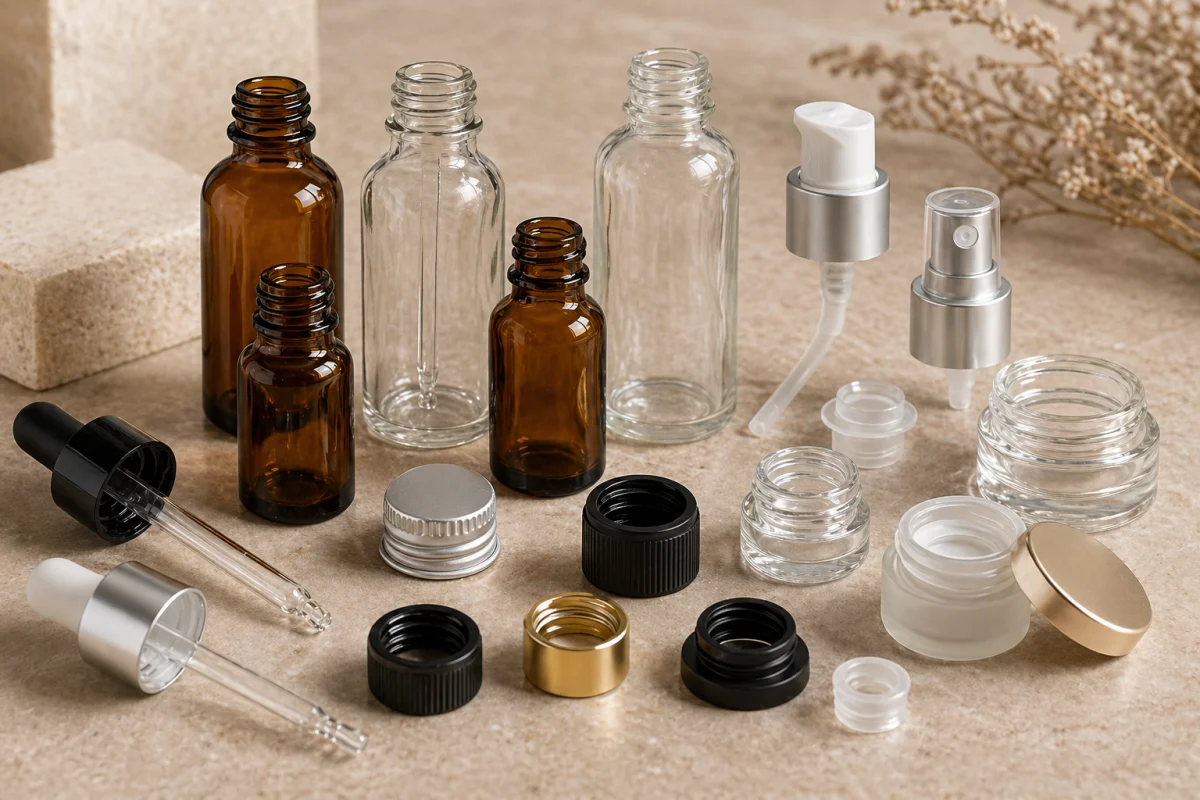
Material, Finish, and Component Options
The strongest packaging choice is the one that matches formula behavior, decoration needs, MOQ, filling process, shipping risk, and the sales channel. Appearance should be approved together with function.
For claims such as recyclable, refillable, PCR, mono-material, premium, or low MOQ, use the actual component structure and supplier data instead of broad marketing language.
| Option | Procurement impact |
| Amber glass | Useful for light-sensitive oils, serums, and active formulas. |
| Frosted glass | Premium look, but finish needs scuff and label adhesion checks. |
| Dropper set | Good for serum and oil when dosage and pipette fit are tested. |
| Pump set | Better for lotion or emulsion when output and priming are confirmed. |
Formula Compatibility and Sampling Tests
Sampling should use the real formula, real closure, and final decoration direction. Water-only or empty-pack checks are not enough for skincare and makeup packaging.
| Risk to check | Recommended test before bulk order |
| Active or acidic formula | Check glass, gasket, dropper, pump, and cap compatibility after aging. |
| Oil or fragrance content | Check cap seal, dropper bulb, odor, and leakage. |
| Frosted or coated finish | Check scratch, rub, label adhesion, and color tolerance. |
| Export shipping | Run drop, vibration, carton compression, and leakage checks. |
MOQ, Lead Time, and Quote Planning
MOQ, sample time, and lead time should be confirmed by exact SKU. Capacity, color, finish, closure, decoration, and packing requirements can each change the final minimum.
As a planning baseline, stock or standard packaging routes can often be discussed from around 5,000 pcs per SKU, while custom color, special finish, new mold, or matched component programs usually need higher quantities, often 10,000 pcs or more depending on the part.
| Project route | What to prepare |
| Stock glass bottle | Capacity, glass color, closure, formula type, quantity, and sample address. |
| Custom decoration | Finish reference, artwork, logo method, target MOQ, and sample deadline. |
| Premium set | Bottle, closure, carton, insert, shipping market, and launch date. |
Supplier Checklist
Choose closure by formula viscosity and dosage first.
Ask for bottle and closure drawings before artwork approval.
Test leakage and compatibility with the final formula.
Confirm MOQ for bottle, closure, decoration, and carton together.
Plan carton and transport tests early because glass is heavier and fragile.
Useful Product Links
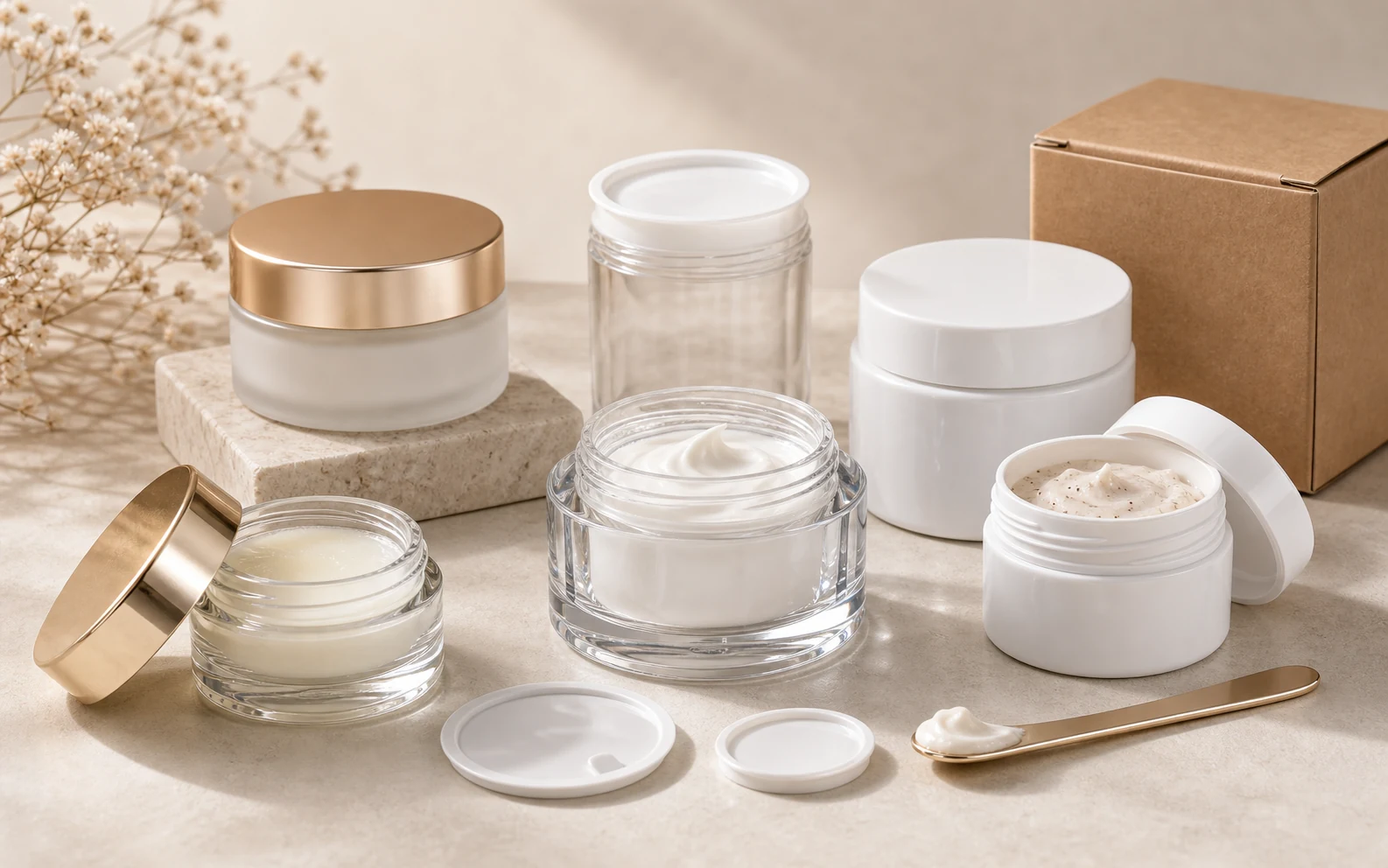
Compare the main glass cosmetic packaging category for bottle and jar options.
Review glass bottle for skincare supplier details for quote planning.
Send formula, capacity, closure, decoration, and MOQ through JPS glass bottle quote support.
FAQ
Is glass better than plastic for skincare?
Glass is often better for premium feel, oils, serums, and certain formulas, but plastic can be better for lightweight, squeezable, or travel products.
Should serum use a dropper or pump?
A dropper works for many oils and low-viscosity serums. A pump can be better for controlled dosage or formulas that need less air exposure.
What should be tested before ordering glass bottles?
Test leakage, formula compatibility, drop performance, decoration durability, carton strength, and closure fit.
Request a Practical Quote
For a glass skincare bottle quote, send JPS formula type, capacity, glass color, closure preference, decoration direction, target MOQ, destination market, and launch date.