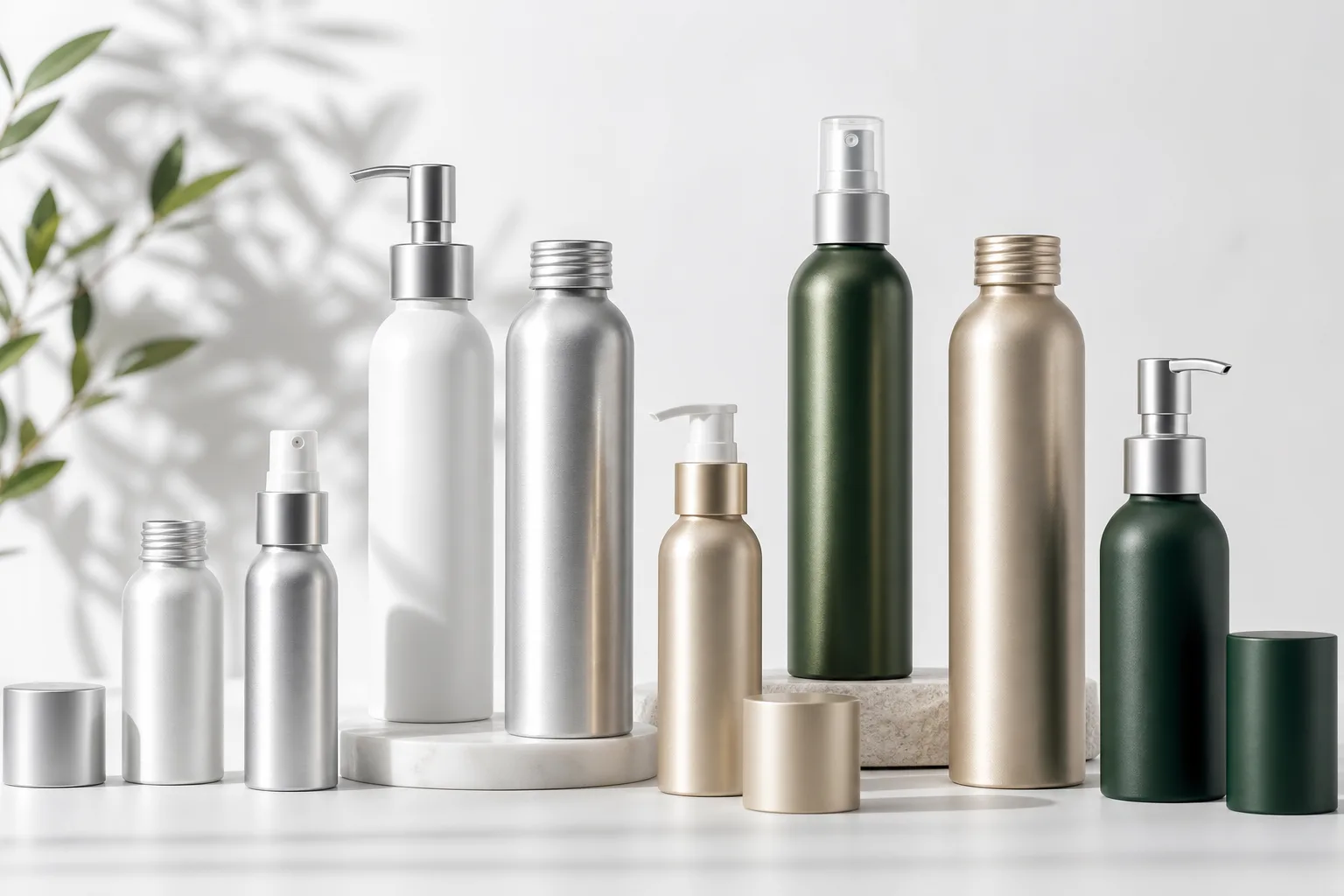
Choosing an aluminum bottle for skincare starts with one question: what will touch the formula? The outside finish may sell the product, but the internal coating, neck finish and closure decide whether the package can be approved for bulk production.
This guide is for brands comparing aluminum bottles for toner, lotion, mist, serum, oil or refill programs. It focuses on the practical checks that should happen before color, logo and purchase order approval.
Selection Sequence for Aluminum Skincare Bottles
- Confirm formula type, viscosity, alcohol level, fragrance, oil content and active ingredients.
- Choose the capacity and bottle shape that match fill weight and shelf use.
- Confirm internal coating and request filled sample testing.
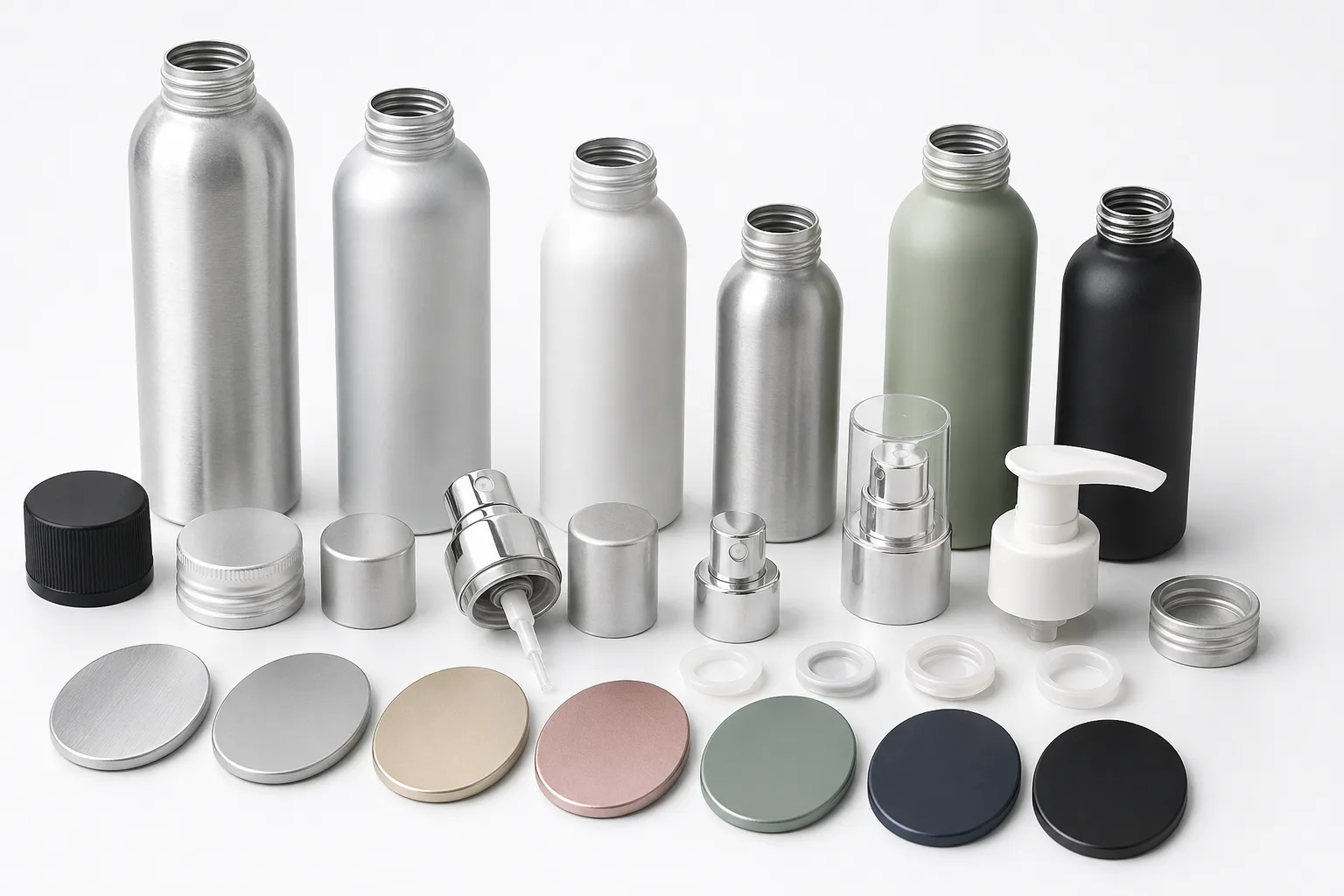
- Match neck finish to pump, sprayer, reducer or screw cap.
- Approve decoration only after the functional sample is acceptable.
- Review MOQ, lead time, carton protection and quote breakdown before purchase.
Formula and Closure Fit

| Formula | Closure to compare | Main risk | Approval evidence |
|---|---|---|---|
| Toner or facial mist | Fine mist sprayer, screw cap, disc cap | Uneven spray, leakage, dip tube mismatch | Spray pattern photo, filled sample and tube length check |
| Lotion | Lotion pump, treatment pump, screw pump | Poor priming, wrong output, pump blockage | Output test using actual viscosity |
| Serum or oil | Reducer, dropper-style closure, treatment pump | Coating compatibility, staining, cap leakage | Formula contact storage and horizontal leakage test |
| Refill product | Screw cap, refill cap, pump replacement | Thread wear and repeated opening damage | Repeated open-close cycle and torque check |
Internal Coating and Material Claims
A skincare aluminum bottle should not be selected only because aluminum is recyclable. The buyer should confirm the full component set, including pump, cap, gasket, label and decoration. If the brand plans to make sustainability claims, ask for material evidence at component level and avoid broad claims that cannot be supported in the target market.
Internal coating should be discussed early. Ask whether the supplier has used the coating with similar formulas and request filled samples. If the formula contains alcohol, fragrance, oils, acids or strong actives, extend compatibility review before approving mass production.
Finish Choice and Durability
Aluminum supports matte color, gloss color, brushed metal look, metallic finish, screen print, hot stamping and pressure-sensitive labels. The finish should be approved under real handling conditions. A pack that looks good on a single sample can still fail after carton contact, cap assembly or filling-line handling.
- Use color chips or Pantone references for coating approval.
- Check logo position on curved shoulders and narrow diameters.
- Test wet and dry rub for coated or printed surfaces.
- Review carton dividers when metallic or dark finishes are easy to scratch.
MOQ and Lead Time Rules
Existing aluminum bottle molds with standard closures are the most flexible route for lower MOQ. Custom coating, custom pump color, special finish and private molds increase MOQ and lead time. A realistic quote should show sample timing, decoration proof timing, bulk timing and the approval date that starts production.
| Choice | Effect on MOQ | Effect on schedule |
|---|---|---|
| Available body and standard cap | Lowest practical MOQ | Fastest sample path |
| Custom bottle color | Higher MOQ for coating run | Needs color proof and approval |
| Custom pump or sprayer color | May require component MOQ | Can delay closure availability |
| New mold or new shoulder shape | Highest commitment | Requires drawing, tooling and pilot sample |
Buyer Approval Protocol
Before bulk production, approve a sample set that includes filled bottle, closure, decoration and carton plan. Check leakage upright and horizontal, pump or sprayer cycles, torque, finish rub, carton scuffing and visible denting. Record the approved sample with photos and written pass criteria.
Example: Choosing Between 100 ml and 150 ml
A 100 ml aluminum bottle works well for premium toner or travel-friendly mist when weight and shelf space matter. A 150 ml bottle gives better value for body lotion or refill-oriented toner, but the taller bottle needs tube length, carton height and dent protection review. If both SKUs use the same finish, approve them separately because cap torque and drop performance can change with height.
Formula and Closure Fit
An aluminum skincare bottle should be selected by formula and closure together. A sprayer that works for toner may not work for viscous essence. A pump suitable for lotion may need a different dip tube, actuator or inner coating. The buyer should request closure-matched samples, not only empty bottle samples.
| Use case | Closure route | Approval focus |
|---|---|---|
| Facial mist | Fine mist sprayer | Spray pattern, dip tube, actuator return and leakage. |
| Toner | Disc cap, screw cap or sprayer | Pour control, cap seal, coating compatibility and carton rub. |
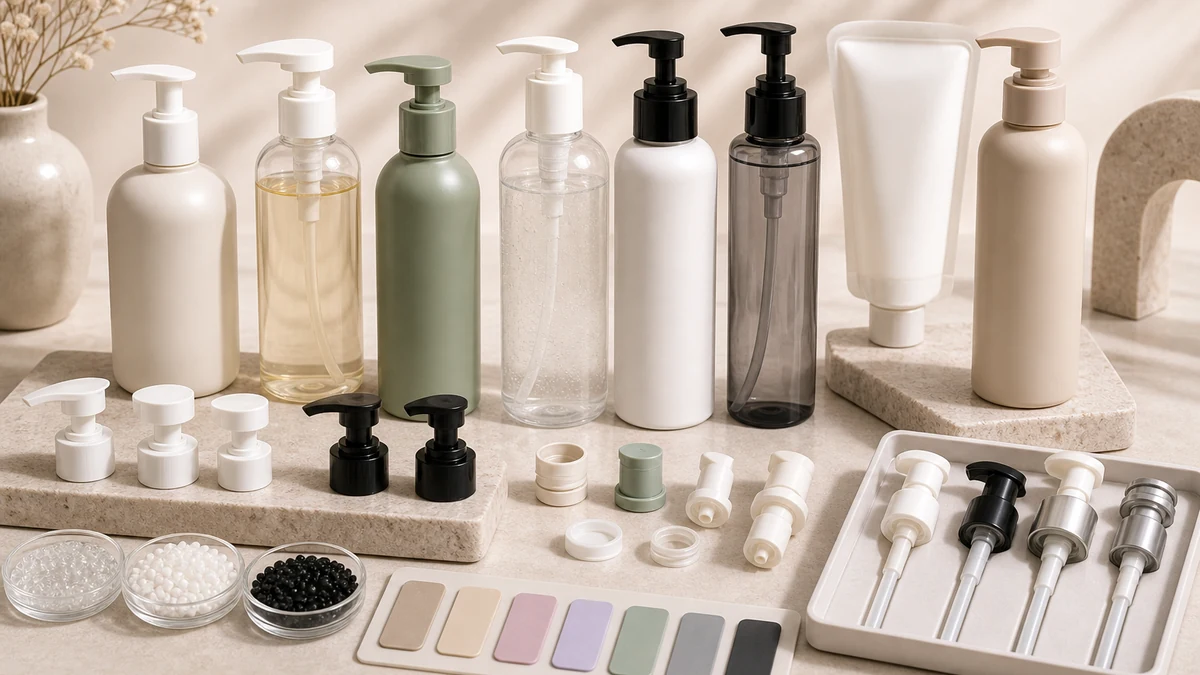
| Lotion | Lotion pump or treatment pump | Output, priming count, viscosity fit and lock function. |
| Oil or serum | Reducer, screw cap or treatment pump | Inner coating, gasket contact and torque stability. |
Approval File for Aluminum Bottle Selection
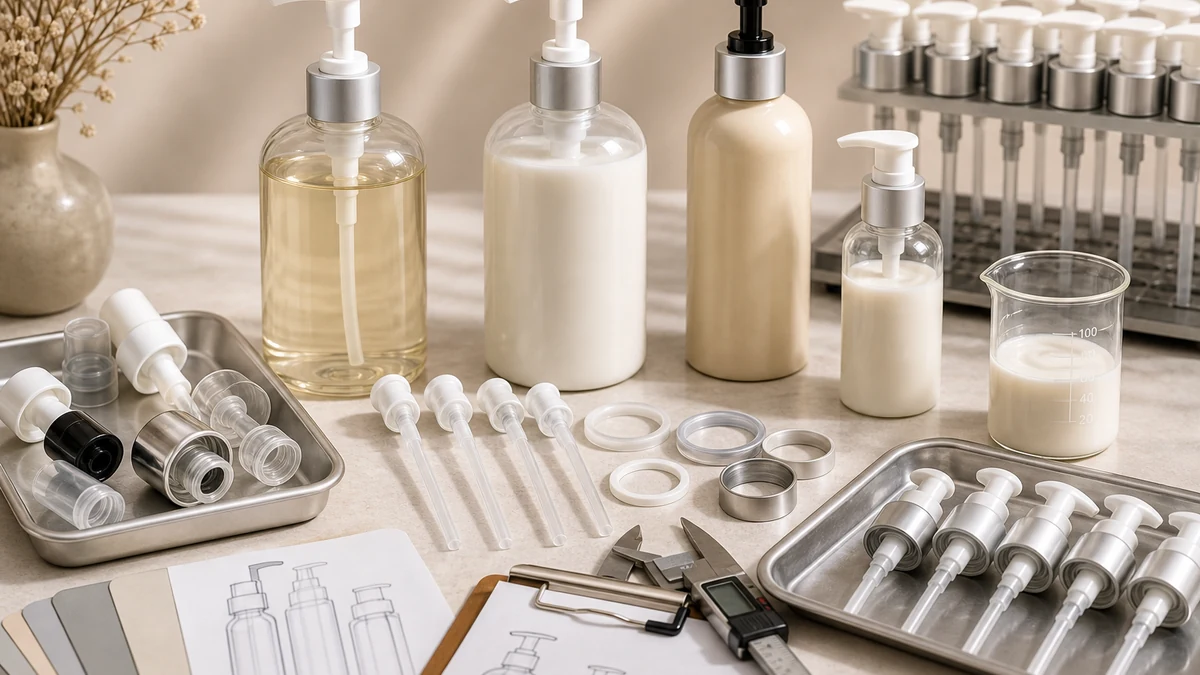
A stronger procurement file for aluminum bottle selection should make the sample approval path repeatable. Before a purchase order, the internal file should identify the component version, formula used for testing, decoration proof, packing method and the approval date. This protects repeat orders because the supplier and brand are comparing against the same reference sample instead of a photo or loose description.
| Spec to lock | Detail to record | Why it matters later |
|---|---|---|
| Inner coating | Coating route and formula contact sample | Protects formula from metal contact |
| Closure set | Pump, sprayer, cap, reducer and dip tube | Controls usability and leakage |
| Finish route | Brushed, matte, anodized, print or label | Changes MOQ and surface durability |
| Packing route | Divider, carton and cap protection | Prevents dents and finish marks |
The most common failures happen when a project moves from a nice-looking sample to production without documenting the exact acceptance point. The checklist below should be reviewed before deposit, not after goods are already packed.
| Failure point | How it appears | Control before order |
|---|---|---|
| Coating issue | Odor, discoloration or swelling after storage | Test filled samples before production |
| Wrong sprayer | Pattern or output does not match toner | Approve spray with actual formula |
| Dented bottles | Body marks after carton movement | Confirm carton and divider design |
| Finish inconsistency | Color varies between batches | Set tolerance with production proof |
Filled-Sample Review Matrix
The safest aluminum bottle choice is usually confirmed with filled samples, not by comparing empty bottles alone. Use the matrix below to decide what should be tested before artwork and bulk production are approved.
| Formula type | Main package risk | Sample review focus |
|---|---|---|
| Toner, mist or essence | Spray pattern, alcohol or fragrance interaction, cap leakage. | Check sprayer output, dip tube length, coating contact and packed sample handling. |
| Lotion or body care | Viscosity, pump priming, actuator lock and bottle stability. | Approve pump output, user handling, dip tube cut and carton protection. |
| Oil or serum | Coating compatibility, closure seal and residue around the neck. | Use filled samples to review odor, staining, leakage and closure fit before decoration. |
| Refill or travel format | Repeated opening, cap wear and label or finish durability. | Review cap retention, rub marks, label edge and pack instructions. |
MOQ and Lead Time Planning Range
For How to Choose Aluminum Bottle for Skincare, JPS can use the following early quotation ranges for aluminum bottle for skincare. The final quantity for How to Choose Aluminum Bottle for Skincare should be confirmed after checking mold availability, finish route, component stock, artwork status and SKU count.
| Route | Planning range | When it makes sense |
| Stock aluminum bottle with standard closure | 3,000-5,000 pcs | Useful for serum, toner, mist or lotion projects that need a fast sampling route. |
| Custom color, logo, matte or brushed finish | 5,000-10,000 pcs | Typical early quotation range when the bottle shape is existing but the finish is branded. |
| Special coating, unique shoulder or full custom route | 10,000-30,000+ pcs | Needed when the project changes structure, coating route or component tooling. |
| Step | Typical planning time |
| Stock dry samples | 3-7 working days |
| Finish or closure proof | 10-20 working days |
| Bulk production after approval | 35-50 working days |
| Private mold or special coating route | 60-90+ working days |
Sample Approval Criteria Before Bulk Production
For How to Choose Aluminum Bottle for Skincare, a good-looking dry sample is only the first check. The buyer should approve the filled pack, component fit, decoration proof and packing method before releasing aluminum bottle for skincare for bulk production.
| Check | Pass signal |
| Internal coating fit | Check the real formula against the liner or internal coating before approving bulk bottles. |
| Closure match | Approve neck finish, gasket, dip tube, pump output and cap torque as one system. |
| Finish durability | Review rub marks, dents and packed-sample scuffing before final carton approval. |
| Transport protection | Use packed-sample review and, when needed, ISTA or ASTM-style distribution testing for the shipping route. |
Common Failure Points to Catch Early
| Failure point | What it looks like |
| Coating incompatibility | Alcohol, fragrance, acidic or oil-heavy formulas can stress the internal coating. |
| Pump mismatch | Output, dip tube length or gasket fit fails after filled testing. |
| Denting and scuffing | The bottle looks acceptable loose but marks inside the carton. |
| Claim overreach | Aluminum or refillable claims are used without a material and refill evidence file. |
Specification Details
Before comparing unit price, the purchase order should identify the parts that affect function, decoration and shipment. That makes supplier quotes easier to compare because every quote is tied to the same component set.
| Specification item | What to define | Why it matters |
| Formula and fill volume | mist, toner, serum, lotion or refill pack; 30 ml to 250 ml range | Confirms coating, closure and dip tube requirements. |
| Bottle structure | aluminum body, internal coating, neck finish, cap, sprayer or pump | Keeps bottle and closure approval together. |
| Finish | matte, brushed, glossy, soft-touch, printed or color-coated surface | Connects shelf look with rub and carton checks. |
| Packing | inner tray, divider, carton weight, carton mark and export route | Reduces denting and scuffing after production. |
Quote Review Points
| Quote line | What to check | Reason to check it |
| Quantity route | Confirm whether How to Choose Aluminum Bottle for Skincare uses stock parts, decorated parts or tooling parts. | Each route changes MOQ, unit cost and approval time. |
| Included components | Check whether the quote includes every aluminum bottle for skincare part, matched closure, insert, carton and decoration proof. | A low unit price for How to Choose Aluminum Bottle for Skincare is not useful if key parts are quoted later. |
| Sample revisions | Ask how many How to Choose Aluminum Bottle for Skincare sample revisions are included before extra proof charges apply. | Sample changes for How to Choose Aluminum Bottle for Skincare often decide whether the launch calendar stays realistic. |
| Packing and shipment | Confirm carton count, inner packing and shipping assumptions for How to Choose Aluminum Bottle for Skincare. | Packing method changes landed cost and visible defect risk. |
When to Change Route
Not every brief should stay on the first quoted route. For How to Choose Aluminum Bottle for Skincare, the buyer should change route when the formula, finish, MOQ or calendar no longer fits the selected component family. This avoids forcing a stock component to behave like a custom mold for How to Choose Aluminum Bottle for Skincare, or paying for tooling before the product-market test is clear.
| Signal | Better route | Reason |
| Several shade or SKU tests are still uncertain | Start with available stock components and simple decoration | Keeps How to Choose Aluminum Bottle for Skincare flexible while the brand tests demand. |
| The formula fails filled-sample checks | Change material, closure, liner, wiper, mechanism or coating before artwork approval | Fixing function after artwork approval delays How to Choose Aluminum Bottle for Skincare and creates avoidable cost. |
| The pack shape is central to brand identity | Move to private mold only after forecast, tooling budget and pilot sample approval are clear | Custom tooling for How to Choose Aluminum Bottle for Skincare should be tied to repeat-order expectations. |
For a faster review of How to Choose Aluminum Bottle for Skincare, separate must-have requirements from optional finish ideas. Must-have items for How to Choose Aluminum Bottle for Skincare should cover formula compatibility, component fit, MOQ, lead time and shipment protection; optional finish ideas can wait until the first sample route is technically workable.
Approval Record
Keep a short approval record
| Record item | Keep in the file | Decision value |
| Approved component sample | aluminum bottle for skincare sample for How to Choose Aluminum Bottle for Skincare, labeled with version, date and supplier reference | Prevents similar samples being mixed after revisions. |
| Filled sample notes | Formula, fill weight, storage condition and pass/fail observations for How to Choose Aluminum Bottle for Skincare | Shows why the selected pack works for the real product. |
| Decoration proof | Color standard, artwork proof, print position and rub check notes for How to Choose Aluminum Bottle for Skincare | Reduces disputes between proof and bulk production. |
| Packing sample | Inner packing, carton count, carton mark and shipment assumption for How to Choose Aluminum Bottle for Skincare | Connects appearance approval with delivery risk. |
Reference Standards Buyers Can Use
For How to Choose Aluminum Bottle for Skincare, transport and carton approval can reference ASTM D4169 or ISTA test procedures when the shipping route needs a formal distribution test. For filling and handling controls related to How to Choose Aluminum Bottle for Skincare, ISO 22716 gives the buyer a GMP reference point. These references do not replace the buyer's own How to Choose Aluminum Bottle for Skincare specification; they give the purchasing team clearer language for supplier approval.
Example RFQ Brief
The example below shows how a aluminum bottle for skincare request becomes quotation-ready. It is a planning scenario for How to Choose Aluminum Bottle for Skincare, not a guarantee for every material, finish or market.
| Brief item | Example detail |
| Product | 100 ml toner or mist bottle |
| Recommended route | Existing aluminum bottle with mist sprayer or lotion pump and custom matte finish |
| Planning quantity | 5,000-10,000 pcs for branded finish; 10,000+ pcs for special coating or structure changes |
| Approval samples | Coating sample, closure sample, filled sample, rub check photos and carton packing sample |
Send capacity, closure type, formula notes, finish reference, artwork, MOQ target and destination market so JPS can check bottle, coating and closure compatibility together.
Quote Brief
For aluminum bottle selection, send the project brief with formula, closure, coating concern, finish reference and MOQ target.