

Sustainable Beauty Stick Packaging: The Future of Eco-Friendly Cosmetic Packaging
In the dynamic world of cosmetics, packaging is no longer just a protective layer for products—it’s a powerful brand statement, a user experience enhancer, and increasingly, a reflection of a brand’s commitment to the planet. Among the diverse packaging solutions dominating the market today, beauty stick packaging has emerged as a fan favorite for both brands and consumers. Its convenience, portability, and sleek design have made it a staple for lip balms, lipsticks, concealers, highlighters, and more. But as sustainability becomes a non-negotiable factor for modern beauty shoppers, the shift toward sustainable beauty stick packaging is reshaping the industry. In this blog, we’ll explore what beauty stick packaging is, why it’s so popular, and how sustainable innovations are making it even more appealing for eco-conscious brands and consumers.
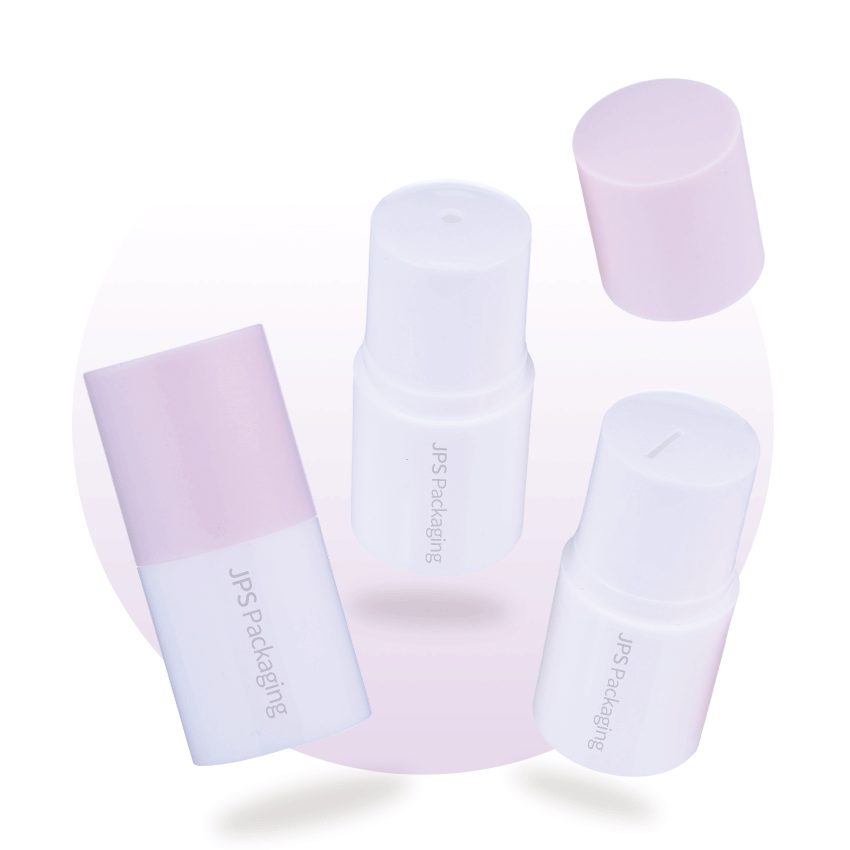
What Is Beauty Stick Packaging? A Closer Look at Its Appeal
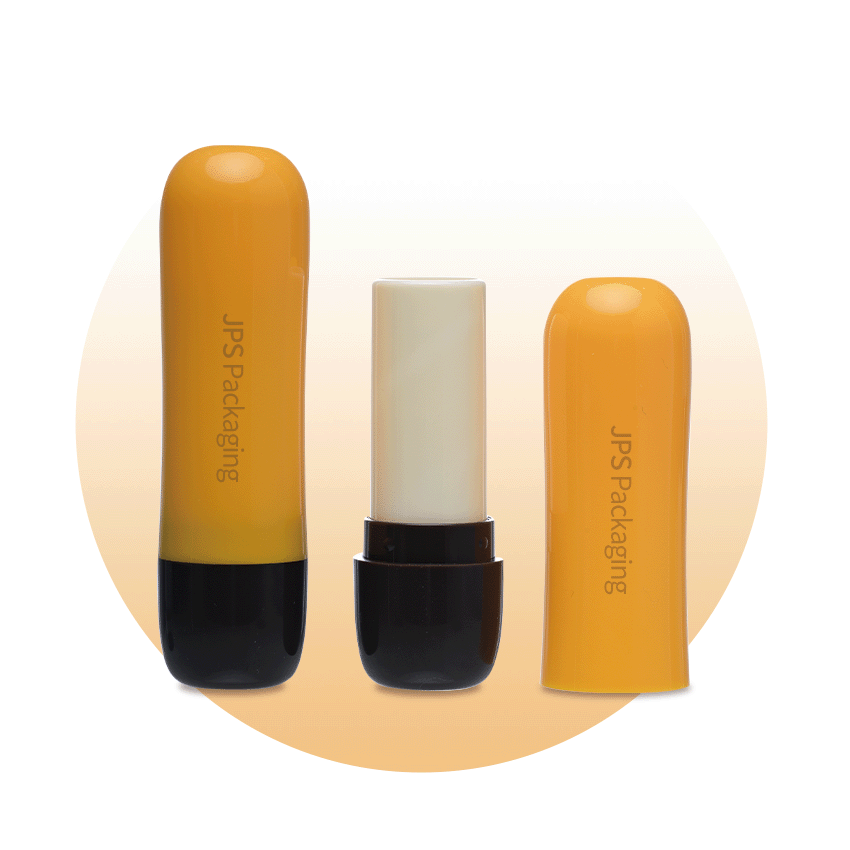
Beauty stick packaging refers to a cylindrical, retractable or twist-up packaging format designed to house solid or semi-solid cosmetic products. Unlike traditional jar or tube packaging, beauty sticks are engineered for ease of use: no need for fingers, brushes, or additional tools—just twist, apply, and go. This “on-the-go” functionality has made them a hit in the fast-paced lifestyle of today’s consumers, whether they’re touching up makeup during a commute, traveling, or simply looking for a hassle-free beauty routine.
Beyond convenience, beauty stick packaging offers notable benefits for brands. Its compact, lightweight design reduces shipping costs and carbon emissions during transportation. The sleek, customizable exterior—available in various colors, finishes, and shapes—also provides ample opportunities for brand storytelling and differentiation. From luxury brands using premium metals to indie labels opting for minimalist plastics, beauty stick packaging can be tailored to fit any brand aesthetic and target audience. Common applications include lipsticks, lip balms, eyebrow pencils, eyeliner sticks, concealer sticks, and even solid perfumes—proving its versatility across product categories.
Why Sustainability Matters for Beauty Stick Packaging
While traditional beauty stick packaging has its perks, it’s historically relied on single-use plastics and non-recyclable materials—contributing to the global plastic waste crisis. The beauty industry is one of the largest contributors to environmental pollution, with millions of tons of packaging ending up in landfills, oceans, and ecosystems each year. This has sparked a growing demand from consumers for sustainable alternatives.
For brands, adopting sustainable beauty stick packaging isn’t just a moral obligation—it’s a business imperative. Consumers are increasingly holding brands accountable for their environmental impact, and sustainability has become a key driver of brand loyalty. Additionally, regulatory bodies around the world are implementing stricter rules on single-use plastics (e.g., the EU’s Single-Use Plastics Directive), making sustainable packaging a necessity for compliance. By transitioning to sustainable beauty stick packaging, brands can not only reduce their carbon footprint but also attract eco-conscious consumers, enhance brand reputation, and stay ahead of regulatory changes.
Sustainable Beauty Stick Packaging: Materials and Innovations
The shift to sustainable beauty stick packaging is fueled by innovative materials and design approaches that prioritize environmental responsibility without compromising on functionality or aesthetics. Here are some of the most popular and effective sustainable solutions for beauty stick packaging:
Recycled and Recyclable Plastics
One of the easiest ways for brands to adopt sustainability is by using recycled plastics (rPET, rHDPE, rPP) for beauty stick components. Recycled plastics reduce the demand for virgin plastic production, which saves energy and reduces greenhouse gas emissions. Additionally, designing packaging for recyclability—by using mono-materials (instead of mixed materials that are hard to recycle) and avoiding non-recyclable coatings or adhesives—ensures that the packaging can be properly processed at the end of its life cycle. Many brands are now offering beauty stick packaging made from 100% recycled plastic, with clear labeling to communicate this to consumers.
Biodegradable and Compostable Materials
For brands looking to go beyond recycling, biodegradable and compostable materials are a game-changer. Materials like PLA (polylactic acid, made from corn starch or sugarcane), PHA (polyhydroxyalkanoates, produced by microbes), and bamboo are increasingly used for beauty stick casings. These materials break down naturally in composting environments, leaving no harmful residues—unlike traditional plastics, which can take hundreds of years to decompose. Bamboo, in particular, is a popular choice for its rapid growth (it’s a renewable resource that doesn’t require pesticides or fertilizers) and natural aesthetic, adding a premium, eco-friendly touch to beauty stick packaging.
Refillable Beauty Stick Packaging
Refillable packaging is another impactful sustainable solution for beauty sticks. Instead of discarding the entire package when the product runs out, consumers can simply replace the product core (the “stick” itself) and reuse the outer casing. This reduces waste significantly—up to 80% compared to single-use packaging—and also offers cost savings for consumers, encouraging repeat purchases. Brands are designing refillable beauty stick packaging with easy-to-use twist-and-lock or snap-in mechanisms, making refills simple and mess-free. Some brands even offer incentives for consumers who return empty refills, creating a closed-loop system that further minimizes environmental impact.
Minimalist and Plastic-Free Design
Sustainability also means reducing material usage altogether. Minimalist beauty stick packaging eliminates unnecessary components (e.g., excess plastic layers, non-essential decorations) to create a more eco-friendly product. Some brands are even opting for plastic-free designs, using materials like metal (aluminum, stainless steel) for the casing—these are durable, recyclable, and can be reused multiple times. Metal beauty stick packaging also has a premium look and feel, making it appealing for luxury and niche brands.
How to Choose the Right Sustainable Beauty Stick Packaging for Your Brand
When selecting sustainable beauty stick packaging, it’s important to align your choice with your brand values, target audience, and product requirements. Here are some key considerations:
Material Compatibility: Ensure the sustainable material is compatible with your product. For example, some biodegradable materials may not be suitable for oil-based products, so test compatibility before finalizing.
Cost: Sustainable materials may have a higher upfront cost, but consider the long-term benefits (e.g., brand loyalty, reduced waste costs). Many consumers are willing to pay a premium for sustainable packaging, so factor this into your pricing strategy.
Recyclability/Compostability: Clearly communicate how consumers should dispose of the packaging (e.g., “recycle with plastic waste,” “compost in home compost”). Transparency builds trust with eco-conscious consumers.
Brand Aesthetic: Sustainable packaging doesn’t have to be plain—choose materials and designs that reflect your brand’s identity. For example, a bohemian brand might opt for bamboo packaging, while a modern brand could use sleek recycled plastic with minimal branding.
Regulatory Compliance: Ensure the packaging meets local and international sustainability regulations to avoid legal issues.
The Future of Sustainable Beauty Stick Packaging
As sustainability continues to be a top priority for the beauty industry, the future of beauty stick packaging is undoubtedly green. We can expect to see more innovations in materials—such as lab-grown materials, mushroom-based packaging, and ocean plastic-derived plastics—as brands and manufacturers push the boundaries of eco-friendly design. Additionally, closed-loop systems (where packaging is collected, recycled, and reused to make new packaging) will become more common, creating a circular economy for beauty stick packaging.
Brands that embrace sustainable beauty stick packaging now will not only contribute to a healthier planet but also position themselves as leaders in the industry. By prioritizing sustainability, you’re not just selling a product—you’re selling a vision of a more eco-friendly future, and that’s a message that resonates with today’s consumers.
Final Thoughts
Beauty stick packaging has revolutionized the cosmetic industry with its convenience and versatility, but it’s the shift to sustainability that’s taking it to the next level. Sustainable beauty stick packaging offers a win-win for brands and consumers: reduced environmental impact, enhanced brand loyalty, and a better user experience. Whether you’re a small indie brand or a large multinational company, adopting sustainable beauty stick packaging is a smart investment in your brand’s future and the planet’s health.
If you’re looking to transition to sustainable beauty stick packaging for your brand, our team of packaging experts is here to help. We offer a wide range of eco-friendly materials and customizable designs to meet your unique needs. Contact us today to learn more about how we can help you create sustainable packaging that stands out in the market.
share








Searching for sustainable, cost-efficient packaging that fits your brand?
Contact us today!

