

Plastic Bottles for Skincare Production: The Ultimate Guide to Choosing Functional Packaging
In the competitive skincare industry, packaging isn’t just a container—it’s a protector of product integrity, a reflection of your brand identity, and a key driver of consumer trust. When it comes to plastic bottles for skincare production, the wrong choice can lead to formula degradation, leakage, or missed connections with eco-conscious buyers. This guide breaks down everything you need to select bottles that keep your serums, lotions, and creams safe, perform flawlessly, and resonate with your target audience.
Why Choosing the Right Plastic Bottle Matters for Skincare
Skincare formulations are often delicate, with active ingredients like retinol, vitamin C, or essential oils that can react poorly to improper packaging. A subpar plastic bottle may fail to block oxygen, moisture, or UV light, ruining your product’s efficacy. Additionally, consumers judge skincare brands by their packaging—clunky, low-quality bottles signal inconsistency, while sleek, functional designs build credibility.
Top Plastic Materials for Skincare Production Bottles
Not all plastics are created equal—each material offers unique properties tailored to specific skincare products. Here’s how to match your formula to the perfect plastic:
Polyethylene Terephthalate (PET)
PET is a skincare staple, beloved for its crystal-clear clarity, lightweight design, and exceptional oxygen barrier. It’s ideal for water-based products like toners, facial mists, and liquid serums, as it preserves freshness by blocking air and moisture. PET is shatter-resistant (a safer alternative to glass) and fully recyclable, making it a hit with eco-friendly brands. Its versatility allows for molding into sleek, modern shapes that stand out on store shelves.
High-Density Polyethylene (HDPE)
For light-sensitive or chemical-rich skincare—think vitamin C serums, acne treatments, or thick lotions—HDPE is a reliable choice. This opaque plastic offers superior UV protection, preventing ingredient breakdown from sunlight. It’s also highly durable, impact-resistant, and resistant to a wide range of chemicals, ensuring no reactions with your formula. HDPE is 100% recyclable and often used for squeeze bottles, making it perfect for products that require easy dispensing.
Polypropylene (PP)
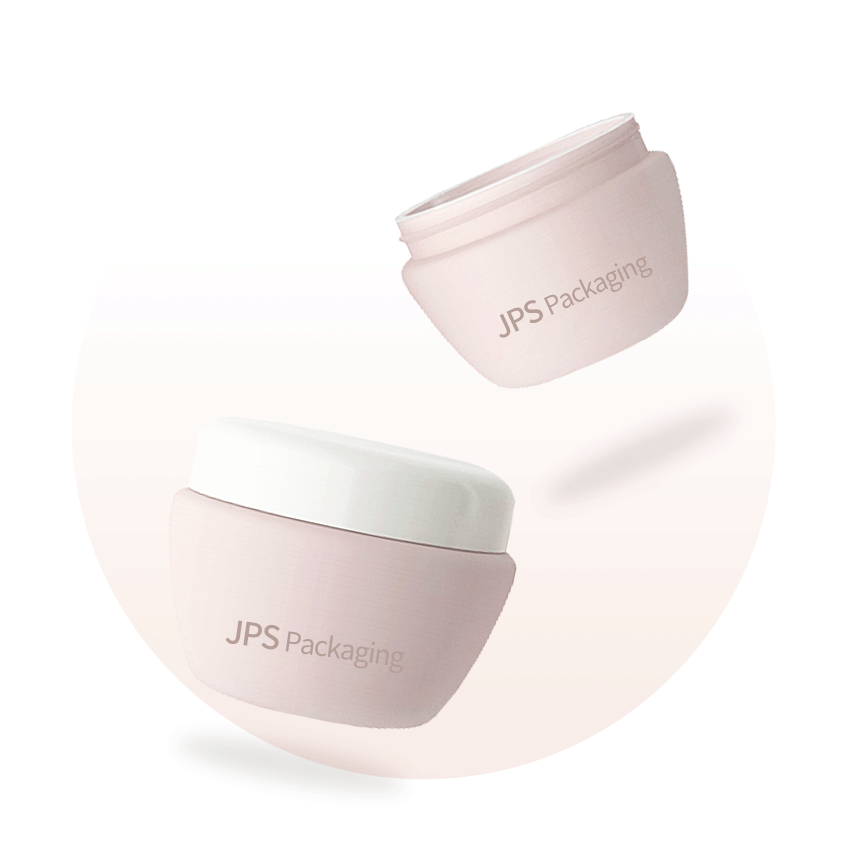
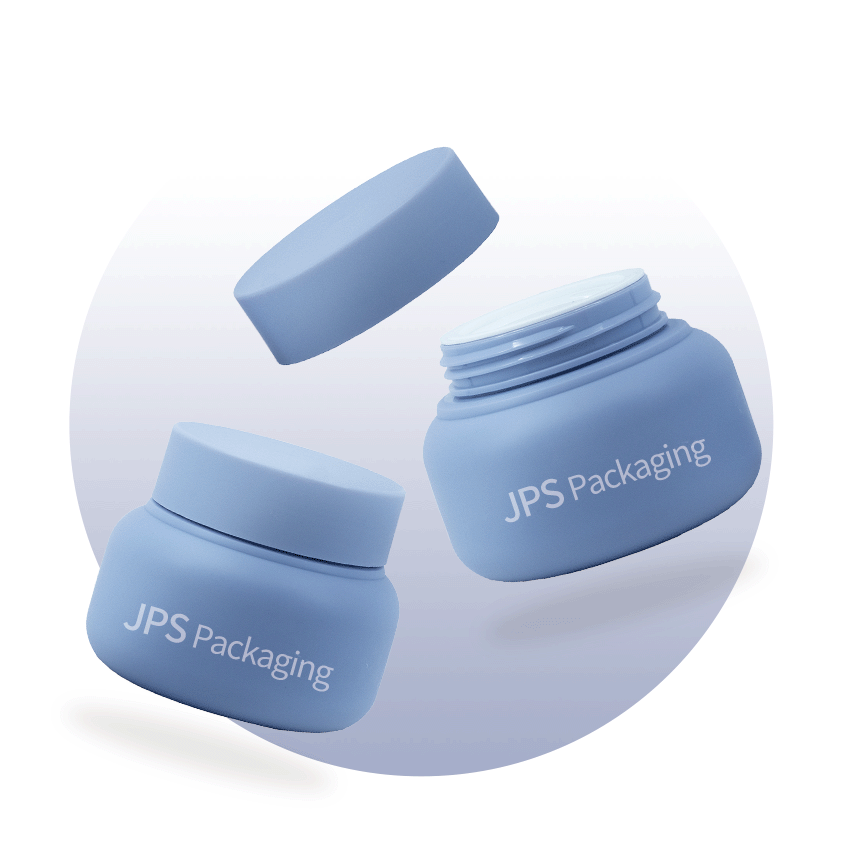
PP is the workhorse of skincare packaging, valued for its robustness and heat resistance. It’s commonly used for jars (think face masks or body butters) and bottle caps, thanks to its moldability and durability. PP is also chemically resistant, making it safe for oil-based serums or products with active ingredients. While not as transparent as PET, it can be produced in translucent finishes, striking a balance between product visibility and protection. Plus, it’s recyclable, aligning with sustainability goals.
Poly Methyl Methacrylate (PMMA)
For luxury skincare brands looking to elevate their packaging, PMMA is a game-changer. Often called “acrylic glass,” it mimics the high-end look of glass but is lightweight and shatter-proof. PMMA is ideal for premium products like anti-aging serums, luxury creams, or mascara tubes, offering a glossy, sophisticated finish. It’s also scratch-resistant, ensuring your packaging stays pristine on shelves. While less commonly recycled than PET or HDPE, its reusability makes it a sustainable choice for brands focusing on long-lasting packaging.
Acrylonitrile Butadiene Styrene (ABS)
ABS is the go-to for high-end skincare packaging that demands both style and strength. This rigid plastic has a glossy, premium finish and excellent impact resistance, making it perfect for luxury jars, pump bottles, or limited-edition packaging. It’s often used for products like facial oils or anti-aging treatments, where packaging quality reflects product value. While not widely recyclable, ABS can be repurposed, adding to its sustainability credentials for brands prioritizing circularity.
Key Factors to Consider When Sourcing Plastic Bottles for Skincare
Beyond material type, these considerations will ensure your packaging meets your brand’s needs and consumer expectations:
Product Compatibility
First, test your skincare formula with potential plastics. Oil-based products or those with high alcohol content may require more chemical-resistant materials like PP or HDPE, while water-based formulas thrive in PET. Avoid plastics like PVC, which can leach harmful chemicals and has declining consumer acceptance due to environmental concerns.
Functionality & Dispensing
Choose a bottle design that matches your product’s use case. Squeeze bottles (often made from LDPE or HDPE) work for lotions and gels, while pump dispensers (compatible with PET or PP) are ideal for serums and facial cleansers, ensuring hygienic, controlled application. For thick products like face masks, wide-mouth PP jars offer easy access.
Sustainability
Today’s skincare buyers actively seek eco-friendly packaging. Opt for recyclable plastics (PET, HDPE, PP) or refillable designs to reduce waste. Look for suppliers that use post-consumer recycled (PCR) materials—this not only lowers your carbon footprint but also appeals to conscious shoppers. Avoid non-recyclable plastics like PVC unless absolutely necessary.
Brand Alignment
Your packaging should tell your brand’s story. Minimalist brands may prefer clear PET bottles to showcase product color, while eco-brands might opt for matte HDPE with recycled labeling. Customization options—like branded printing, unique shapes, or color-matched caps—help your bottles stand out and build brand recognition.
Supplier Reliability
Partner with trusted suppliers to ensure consistent quality and on-time delivery. Top suppliers offer a range of skincare-specific options, from airless pumps to squeeze tubes, and provide customization services. Prioritize suppliers that offer bulk purchasing (to reduce costs) and adhere to global regulatory standards for skincare packaging safety.
Final Tips for Choosing the Best Plastic Bottle for Your Skincare Line
Test rigorously: Conduct compatibility tests to ensure your formula doesn’t react with the plastic over time.
Prioritize user experience: Easy-to-open caps, leak-proof designs, and ergonomic shapes enhance customer satisfaction.
Stay compliant: Ensure your packaging meets FDA, EU, or regional regulations for skincare safety.
Embrace innovation: Explore airless pump bottles (great for preserving active ingredients) or refillable systems to stay ahead of industry trends.
Ready to Elevate Your Skincare Packaging?
Choosing the right plastic bottle for skincare production is an investment in your brand’s success. By aligning material choice with your formula, functionality, sustainability goals, and brand identity, you’ll create packaging that protects your product, delights customers, and drives sales. Whether you’re launching a new line or upgrading existing packaging, the right plastic bottle can set your skincare brand apart in a crowded market.
Start sourcing high-quality, tailored plastic bottles today.
share








Searching for sustainable, cost-efficient packaging that fits your brand?
Contact us today!

