

Guide to Choose Beauty Stick Packaging: Boost Appeal & Compliance
In the competitive beauty industry, where first impressions directly impact purchasing decisions, beauty stick packaging is more than just a protective shell—it’s a silent salesperson, a brand ambassador, and a compliance checkpoint. Whether you’re launching a new lip balm, concealer, or facial serum stick, choosing the right packaging can elevate your product from a shelf filler to a customer favorite. This guide to choose beauty stick packaging breaks down the core considerations—material selection, design adaptability, regulatory compliance, and brand alignment—to help beauty professionals make strategic, customer-centric choices.
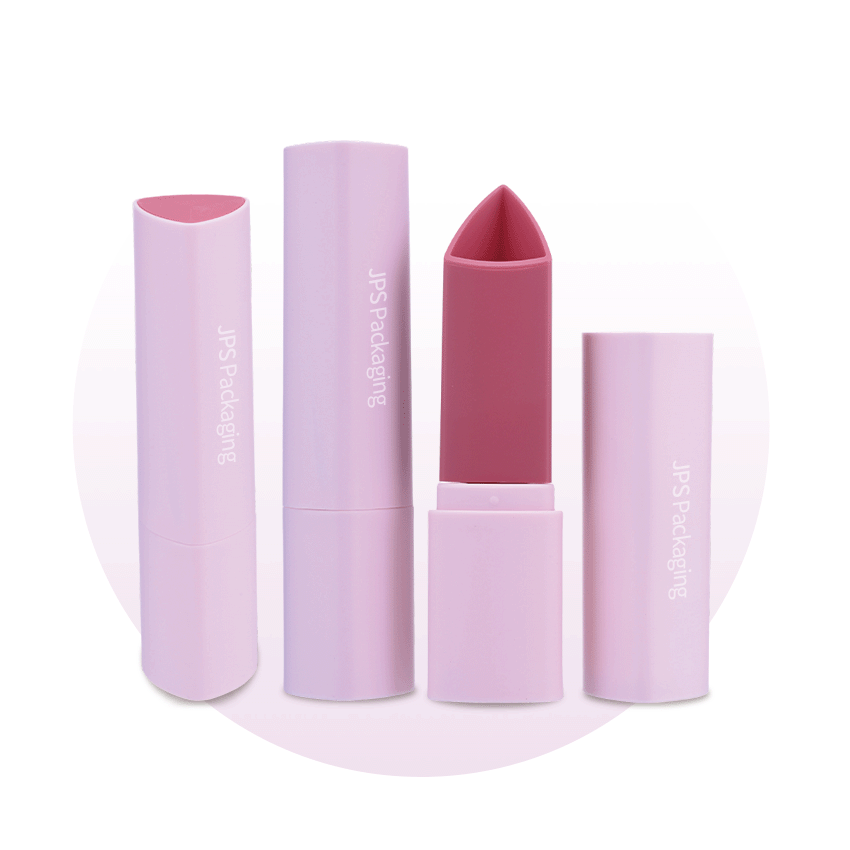
Start with Packaging Materials: Balance Function, Sustainability, and User Experience
The material of your beauty stick packaging dictates everything from durability to perceived value, and today’s consumers (especially Gen Z and millennials) are prioritizing sustainability without compromising on performance. Here’s how to navigate the key options:
Plastic: Cost-Effective and Versatile, But Opt for Eco-Friendly Variants
Traditional plastic (such as PP or ABS) remains popular for beauty stick packaging due to its low cost, lightweight nature, and ability to be molded into sleek shapes. However, single-use plastic is increasingly frowned upon—so opt for recycled plastic (rPET or PCR) or biodegradable plastic (made from corn starch or sugarcane) to meet eco-conscious demands.
Metal: Premium Feel and Durability for High-End Brands
Aluminum or tin is ideal for luxury beauty sticks, as it offers a cool-to-the-touch texture and exceptional durability—perfect for products like high-pigment lipstick sticks or anti-aging serum sticks. Metal is also 100% recyclable, adding to its sustainability credentials. For beauty professionals targeting upscale markets, metal packaging can justify a higher price point.
Paper-Based: Eco-Conscious but Choose Wisely for Function
Paper or cardboard packaging is a favorite for brands emphasizing sustainability, but it’s critical to ensure it’s coated (with water-based, non-toxic coatings) to resist product transfer (e.g., from creamy lip sticks). Avoid uncoated paper for oily or creamy beauty sticks—moisture absorption can ruin the packaging and product.
Design Adaptability: Match Packaging to Product Type and User Habits
Beauty stick packaging design isn’t just about aesthetics—it must align with how customers use the product. A poorly designed package (e.g., a twist mechanism that jams, a tube that’s too slippery) will turn customers away, no matter how great the product inside. Here’s what to prioritize:
Functional Mechanisms: Twist, Push-Up, or Retractable?
The core mechanism of your beauty stick packaging should be intuitive. Twist mechanisms are ideal for lip balms and concealer sticks—they’re easy to control and prevent product waste. Push-up mechanisms work well for thicker products like solid foundation sticks, as they provide steady, even dispensing. Retractable designs (with a cap that clicks into place) are a must for on-the-go products (e.g., travel-sized facial oil sticks), as they prevent leakage in bags.
Ergonomics: Size and Shape for Comfort
Consider where your customers will use the product: A lipstick stick meant for purse use should be slim (10-12mm diameter) and easy to grip, while a facial serum stick for at-home use can be slightly thicker (15-18mm) for more control. Avoid overly sharp edges—rounded corners feel more comfortable in hands.
Visual Hierarchy: Highlight Key Information First
Use packaging real estate wisely: Place your brand logo at the top (for brand recognition), followed by the product name and key benefits (e.g., “Vegan,” “SPF 30”) in bold, readable fonts. For color-coded products (e.g., lip sticks), use a small color swatch on the tube—this eliminates guesswork for customers. Avoid cluttering the packaging with too much text; keep it clean and scannable.
Regulatory Compliance: Don’t Overlook Regional Requirements
Non-compliant beauty stick packaging can lead to costly recalls, fines, or bans in key markets—so it’s non-negotiable to adhere to regional regulations. Here are the critical standards to consider:
FDA (U.S.) and EU Cosmetics Regulation
In the U.S., the FDA requires beauty packaging to include the product’s ingredients (in descending order of weight), net weight, and the brand’s contact information. The EU’s Cosmetics Regulation goes further, mandating a “period after opening” (PAO) symbol (e.g., 6M for 6 months) and a list of banned substances (e.g., certain parabens). For example, if you’re selling a facial beauty stick in the EU, your packaging must clearly display the PAO symbol and avoid any misleading claims (e.g., “cures acne” is prohibited—use “reduces breakouts” instead).
Sustainability Labeling
If you’re using eco-friendly materials, back up your claims with clear, verified labels. The “Recyclable” label should specify which parts of the packaging are recyclable (e.g., “Tube: 100% Recyclable Aluminum; Cap: PCR Plastic”). Certifications like FSC (for paper) or BPI (for biodegradable plastics) add credibility. Avoid “greenwashing” terms like “eco-friendly” without proof—regulators like the FTC (U.S.) are cracking down on false sustainability claims.
Align Packaging with Brand Tone: Consistency Builds Loyalty
Your beauty stick packaging should tell your brand’s story at a glance. A luxury brand and a drugstore brand will have vastly different packaging needs—and straying from your brand tone can confuse customers.
Luxury Brands: Emphasize Exclusivity and Craftsmanship
For high-end brands, use premium materials (metal, embossed paper) and intricate details (magnetic closures, gold foil stamping) to convey luxury.
Clean Beauty Brands: Minimalism and Transparency
Clean beauty brands thrive on transparency—use neutral colors (white, beige, soft green), matte finishes, and simple typography. Highlight key claims like “Vegan,” “Cruelty-Free,” or “Fragrance-Free” prominently.
Youthful, Playful Brands: Bold Colors and Fun Details
Brands targeting younger audiences can experiment with bright colors, patterns, and interactive elements (e.g., glitter accents, reversible caps).
Final Tips for Choosing Beauty Stick Packaging: Avoid Common Pitfalls
Test prototypes first: Before mass-producing, test packaging with your target customers—ask about grip, mechanism ease, and overall appeal. A prototype might look great on paper but fail in real use.
Partner with reputable suppliers: Choose packaging suppliers with experience in beauty—they’ll understand regulatory requirements and can help you avoid material or design flaws.
Think about the unboxing experience: Add small touches (e.g., a recyclable paper sleeve with a thank-you note) to make customers feel special—unboxing videos drive social media engagement.
Conclusion
Choosing the right beauty stick packaging requires balancing function, sustainability, compliance, and brand identity—and this guide to choose beauty stick packaging is your roadmap. By prioritizing materials that align with customer values, designing for how your product is used, adhering to regulations, and staying true to your brand tone, you’ll create packaging that not only protects your product but also builds trust and drives sales. Remember: Great packaging doesn’t just hold a beauty stick—it tells your brand’s story, and in the beauty industry, that story is what turns one-time buyers into loyal fans.
share








Searching for sustainable, cost-efficient packaging that fits your brand?
Contact us today!

