

Glass Bottles for Skincare: The Premium Choice for Modern Beauty Brands
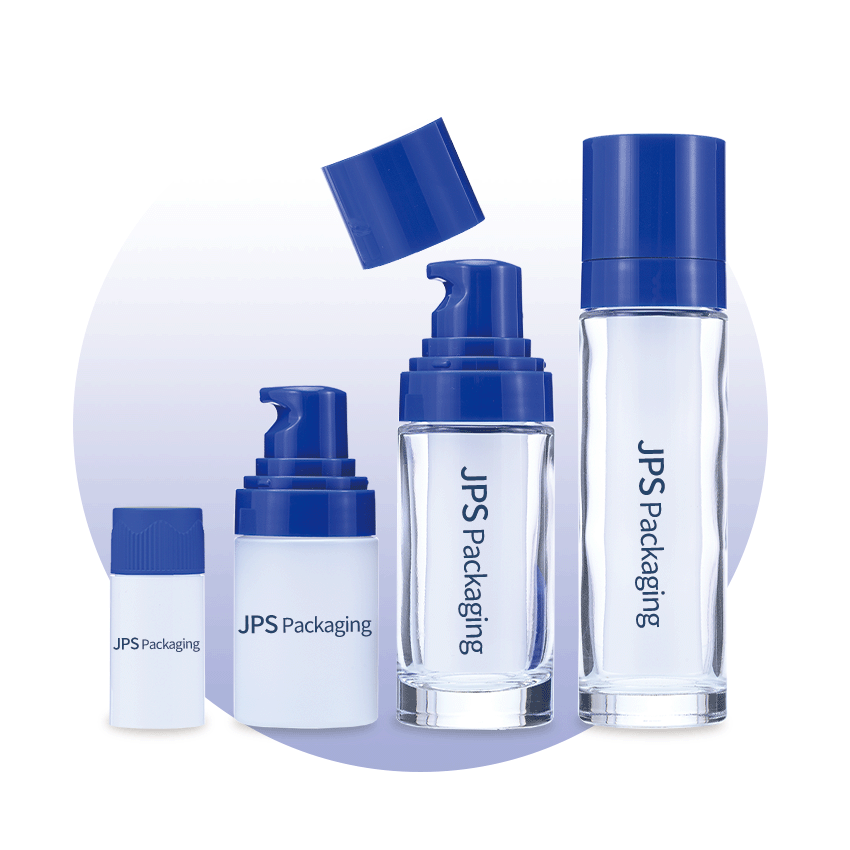
The skincare packaging landscape is evolving rapidly, and one material continues to dominate the conversation: glass. For beauty brands seeking to combine luxury, functionality, and sustainability, glass bottles represent far more than just a container—they are a strategic investment in brand identity and consumer trust. This comprehensive guide explores why glass has become the gold standard in skincare packaging and how JPS Packaging delivers the customized solutions that today's beauty brands demand.
Why Glass Remains the Superior Choice for Skincare Formulations
Formula Protection and Chemical Compatibility
Skincare products are among the most delicate formulations in the beauty industry, often featuring active ingredients such as vitamins, antioxidants, plant extracts, and essential oils that are sensitive to external factors. Glass stands apart because it is chemically inert—meaning it does not react with the product it contains. This non-reactive property ensures that sensitive actives remain stable, uncontaminated, and effective throughout the product's shelf life.
Unlike plastic packaging, which can allow oxygen transfer or permit ingredient migration, glass provides an impenetrable barrier. This impermeability prevents air, moisture, and UV rays from infiltrating the formulation, directly extending shelf life and maintaining efficacy. For brands formulating with premium ingredients or innovative actives like exosome serums, this protective quality is non-negotiable.
Luxury Perception and Consumer Experience
Consumer perception is not superficial in the beauty industry—it directly influences purchasing decisions and brand loyalty. Glass packaging conveys a distinct message: quality, authenticity, and trust. When customers hold a glass bottle, they experience a tactile sensation that plastic cannot replicate. The weight, clarity, coolness, and smooth surface create a "clean" feeling that aligns with perceptions of purity and premium positioning.
Research consistently demonstrates that consumers attach higher quality perception to glass-packaged products compared to other materials. This perception translates directly to willingness to pay premium prices, supporting higher margins for brands. Additionally, the transparency of glass allows customers to see the product's texture, color, and consistency, creating a visual and tactile connection that reinforces product authenticity and natural formulation claims.
Sustainability as a Competitive Advantage
Sustainability is no longer optional—it has become foundational to brand credibility. Glass is 100% infinitely recyclable, meaning it can be reused endlessly without loss of quality. This infinite recyclability contrasts sharply with plastics, which degrade through recycling cycles and often end up in landfills or oceans.
In 2025, consumers increasingly prioritize brands that demonstrate genuine environmental commitment. Brands using glass packaging—especially those incorporating post-consumer recycled (PCR) content—appeal directly to eco-conscious segments. Glass supports a circular economy model where packaging becomes a resource rather than waste. Furthermore, glass does not leach harmful chemicals into the environment, making it a safer choice for both consumers and the planet.
Market Trends Shaping Glass Packaging in 2025
Minimalism Meets Functionality
The dominant aesthetic trend in skincare packaging is moving away from excess toward refined simplicity. Clean lines, minimalist bottle shapes, and neutral color palettes—whites, beiges, sand tones, and muted greens—now signify purity and transparency. Minimalist design is not just aesthetically appealing; it is commercially powerful. These brands dominate market share precisely because of their recognizable, transparent bottles and clear labeling.
Minimalist glass bottles increasingly feature soft matte finishes and frosted effects that signal refined luxury without ostentation. Embossed logos, soft-touch coatings, and subtle textures add depth and tactile interest while maintaining clean aesthetics. This design approach balances premium perception with modern sensibilities, appealing to consumers who value authenticity over flashiness.
Advanced Customization and Decoration
Glass bottles are no longer one-size-fits-all products. In 2025, brands expect extensive customization options that transform packaging into a direct extension of brand identity.
Decoration techniques now include silk-screen printing, hot stamping with metallic finishes, gradient lacquering, embossing/debossing, frosted effects through acid etching, and even electroplating for metallic finishes. Premium touches like soft-touch coatings and sandblasting create sensory differentiation. These techniques allow brands to tell their story through packaging—communicating quality, innovation, and values without relying on extensive labeling.
Refill Systems and Circular Economy Models
Sustainability-forward brands are adopting refillable glass systems that extend product lifecycles while reducing packaging waste. Refill systems—whether liquid pump-bottle replacements, refill pouches, or modular cartridges—allow consumers to keep and reuse durable glass containers while purchasing only the product formulation. This approach reduces single-use packaging, lowers carbon footprints from manufacturing and transportation, and creates ongoing revenue opportunities through subscription or refill models.
Smart Packaging Integration
Even minimalist, sustainable designs can incorporate digital features. QR codes and other smart packaging elements now allow consumers to access detailed product information, usage tips, ingredient sourcing stories, and verification of authenticity—all with a quick scan. This digital layer adds functionality to elegant designs without compromising minimalist aesthetics.
Types of Glass Bottles for Skincare Applications
Tubular Glass Bottles
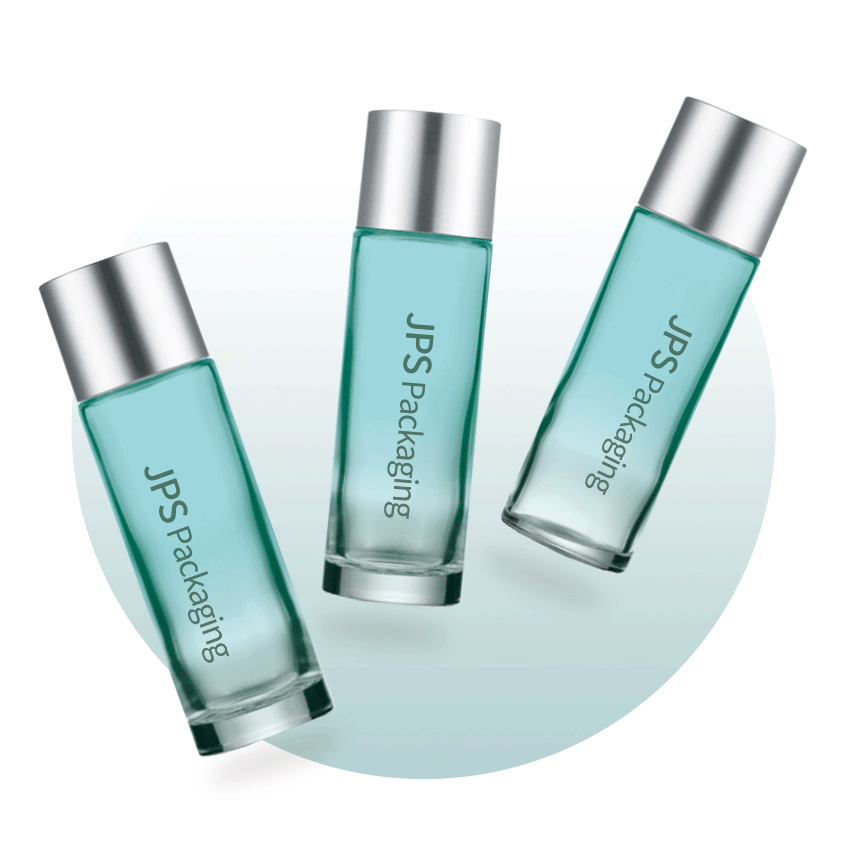
Tubular glass represents a benchmark solution for premium skincare packaging. Available in capacities ranging from 2 ml travel sizes to full-size 30 ml formats, tubular bottles offer exceptional clarity, chemical neutrality, and strength-to-weight efficiency. These bottles work exceptionally well for serums, face oils, and treatment creams where product visibility and elegant presentation matter.
Tubular bottles can be fully personalized with tinted or frosted finishes (protecting light-sensitive formulas), gradient lacquering, metallized effects, and embossed or debossed logos. This versatility allows brands to create distinctive designs that convey both prestige and purpose.
Moulded Glass Bottles
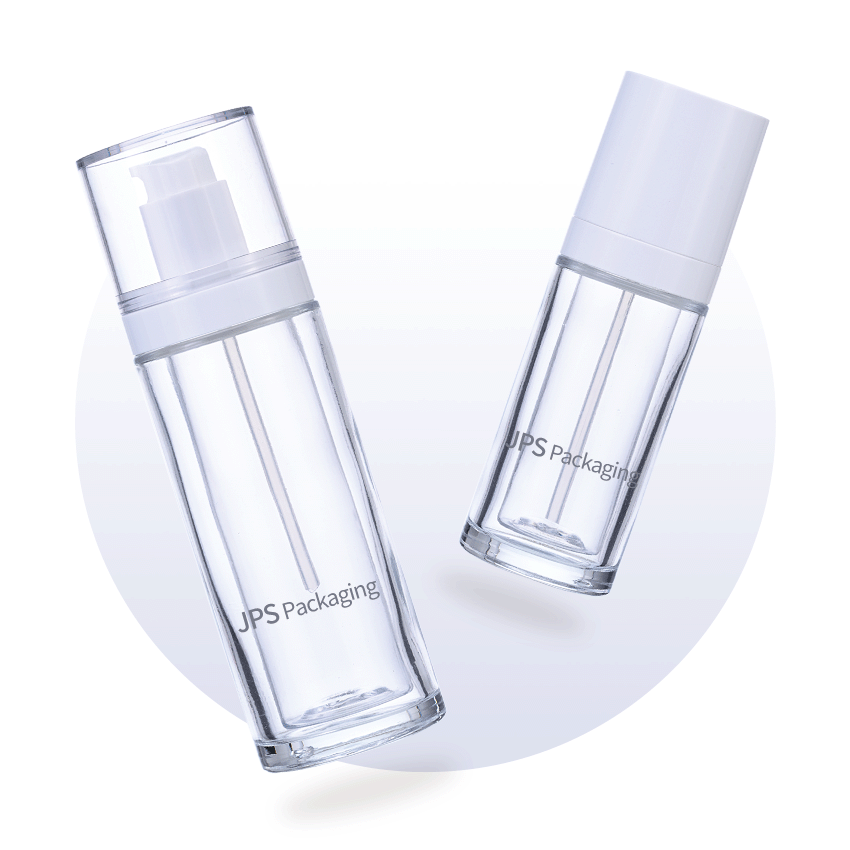
Moulded glass bottles provide greater flexibility in shape design and capacity, making them ideal for moisturizers, masks, and thicker formulations. Available in multiple diameters and heights, moulded bottles can be extensively customized with surface finishes, decorative elements, and color personalization. The ability to create unique shapes helps brands differentiate on shelf and communicate product positioning through form language.
Frosted and Tinted Glass
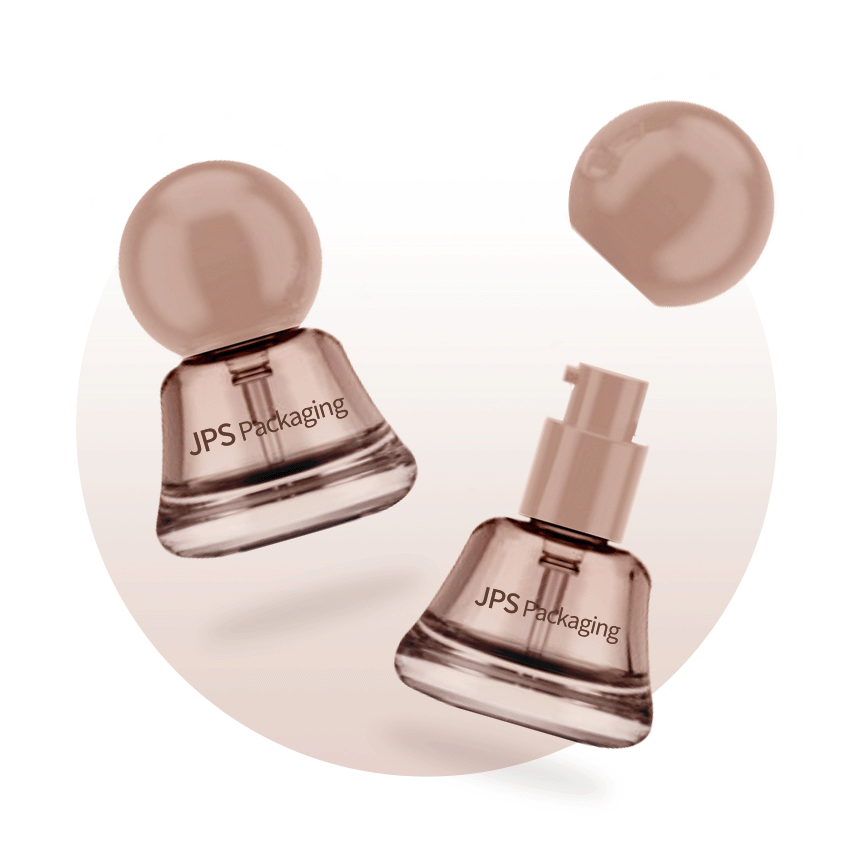
Frosted finishes offer dual benefits: they provide UV protection for light-sensitive ingredients (particularly important for serums containing vitamins or botanical extracts) and create a sophisticated, refined aesthetic that signals premium positioning. Amber glass naturally blocks over 90% of harmful UV rays, making it an excellent choice for formulations vulnerable to light degradation.
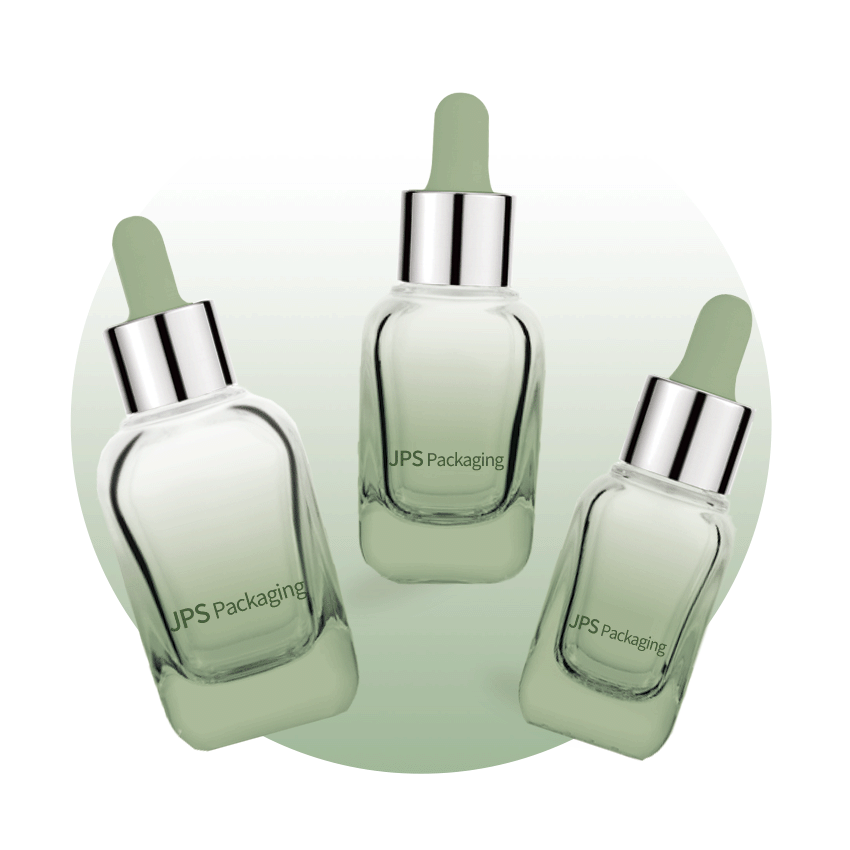
Customization Options That Drive Brand Differentiation
JPS Packaging delivers comprehensive customization capabilities that enable brands to create distinctive packaging aligned with their identity:
Color Personalization: From minimalist frosted bottles to bold lacquers, high-grade flint, ultra-clear flint, opaque opal, translucent opal, and colored opal options provide unlimited color possibilities.
Decorative Finishes: Frosted effects, spray coatings (glossy, matte, soft-touch, gradient), silk-screen printing, embossing/debossing, heat transfer, electroplating for metallic effects, sandblasting, and labeling create visual hierarchy and tactile differentiation.
Closure Options: Metal caps, plastic caps, fine mist sprayers, crimp perfume sprayers, pumps, and dropper closures ensure functional fit with product formulations and user experience expectations.
Logo Embossing and Debossing: Tactile brand marking creates memorable unboxing moments and reinforces premium positioning without compromising design minimalism.
Addressing Glass Packaging Considerations
Fragility and Logistics
Glass's primary drawback is its fragility. Breakage during transportation can result in product loss and increased costs. However, rigorous quality testing during manufacturing—including impact resistance and thermal shock assessments—minimizes defects. Additionally, professional packaging, careful handling protocols, and appropriate shipping insurance mitigate breakage risks.
Weight and Shipping Costs
Glass is heavier than plastic, which affects shipping expenses. However, this cost increase is often offset by glass's premium pricing power and the reduced need for protective packaging materials. Many brands find that the enhanced perceived value and sustainability credentials justify the additional logistics costs.
Quality Assurance
Reputable glass manufacturers employ automated and manual inspection processes to detect cosmetic defects, perform chemical resistance tests to ensure compatibility with skincare actives, and conduct hydrolytic resistance testing. These quality protocols ensure that glass containers meet strict standards for safety, durability, and performance before reaching customers.
The Business Case for Glass Skincare Packaging
Premium Pricing and Margin Expansion
Glass packaging enables brands to command premium pricing. Consumers consistently perceive glass-packaged products as higher quality, allowing brands to maintain price positioning that supports healthy margins. For D2C and professional brands, this pricing power directly impacts profitability and reinvestment capacity.
Brand Storytelling and Market Differentiation
In an increasingly crowded market, packaging functions as a primary brand touchpoint. Glass allows brands to communicate quality, sustainability commitment, and innovation through material choice, customization, and design. This storytelling capability creates competitive differentiation that transcends product formulation alone.
Consumer Loyalty and Repurposing
Unlike single-use plastic, glass jars and bottles encourage reuse. Customers often repurpose glass packaging as storage containers, making the packaging an extended brand touchpoint even after product consumption. This extended brand visibility and the positive associations with sustainability foster long-term consumer loyalty.
Alignment with 2025 Consumer Values
Modern consumers—particularly those in target segments for premium skincare—prioritize sustainability, transparency, and authenticity. Glass packaging directly aligns with these values, eliminating the perception gap that often exists between brand sustainability claims and actual packaging choices. This alignment is not just ethical; it is commercially strategic.
Conclusion: Glass as Strategic Positioning
For skincare brands committed to premium positioning, sustainability, and consumer trust, glass bottles represent far more than packaging—they are a strategic asset. In 2025, the combination of minimalist design, extensive customization capabilities, proven product protection, and genuine sustainability credentials makes glass the clear choice for brands seeking to dominate the premium skincare market.
JPS Packaging delivers the expertise, customization capabilities, and quality assurance necessary to transform glass bottles into distinctive brand expressions that resonate with today's conscious, discerning consumers. From choice of material and decoration techniques to closure selection and quality verification, every decision reflects commitment to excellence that extends from formulation through consumer experience.
The future of skincare packaging is not about following trends—it is about aligning packaging strategy with brand values and consumer expectations. Glass enables brands to do precisely that, creating lasting impressions and building genuine consumer loyalty one bottle at a time.
share








Searching for sustainable, cost-efficient packaging that fits your brand?
Contact us today!

