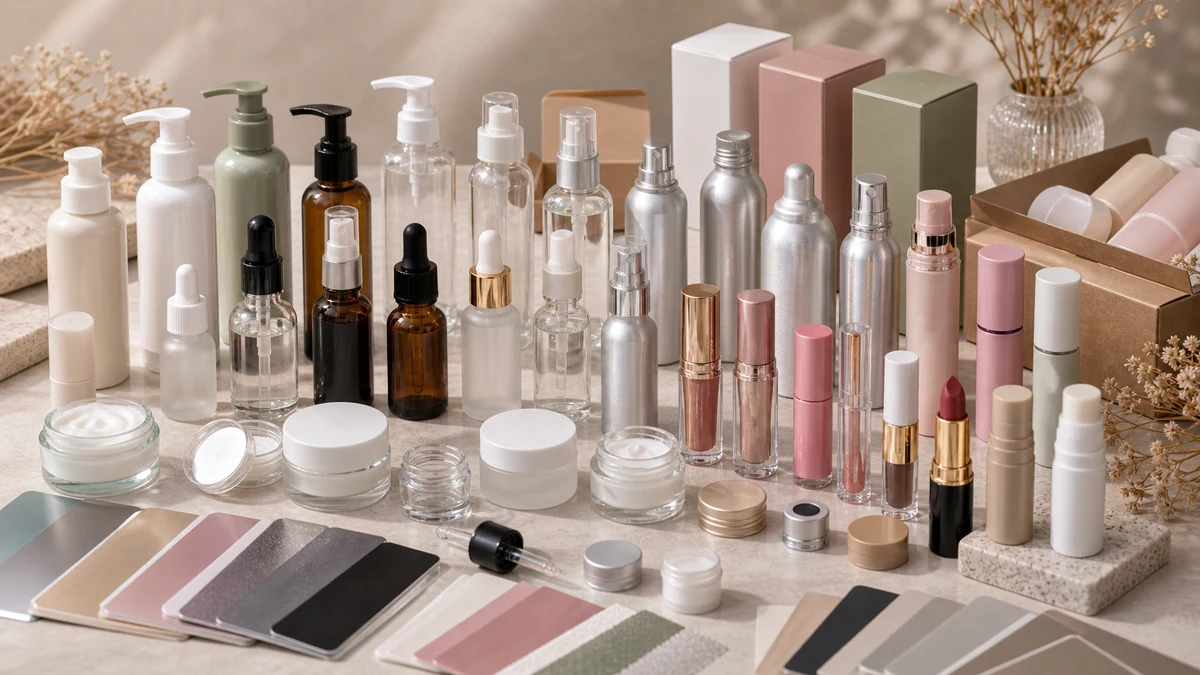
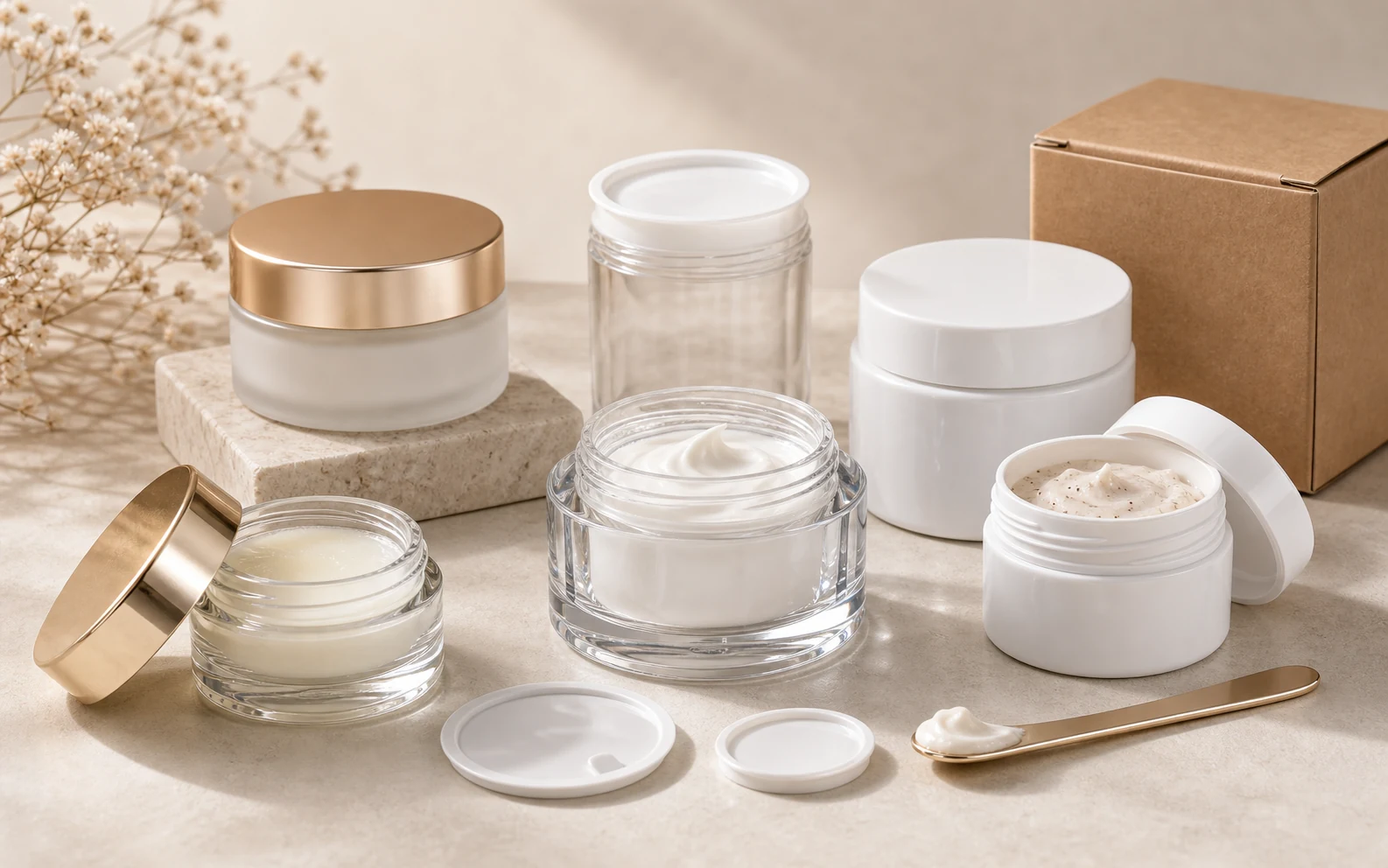
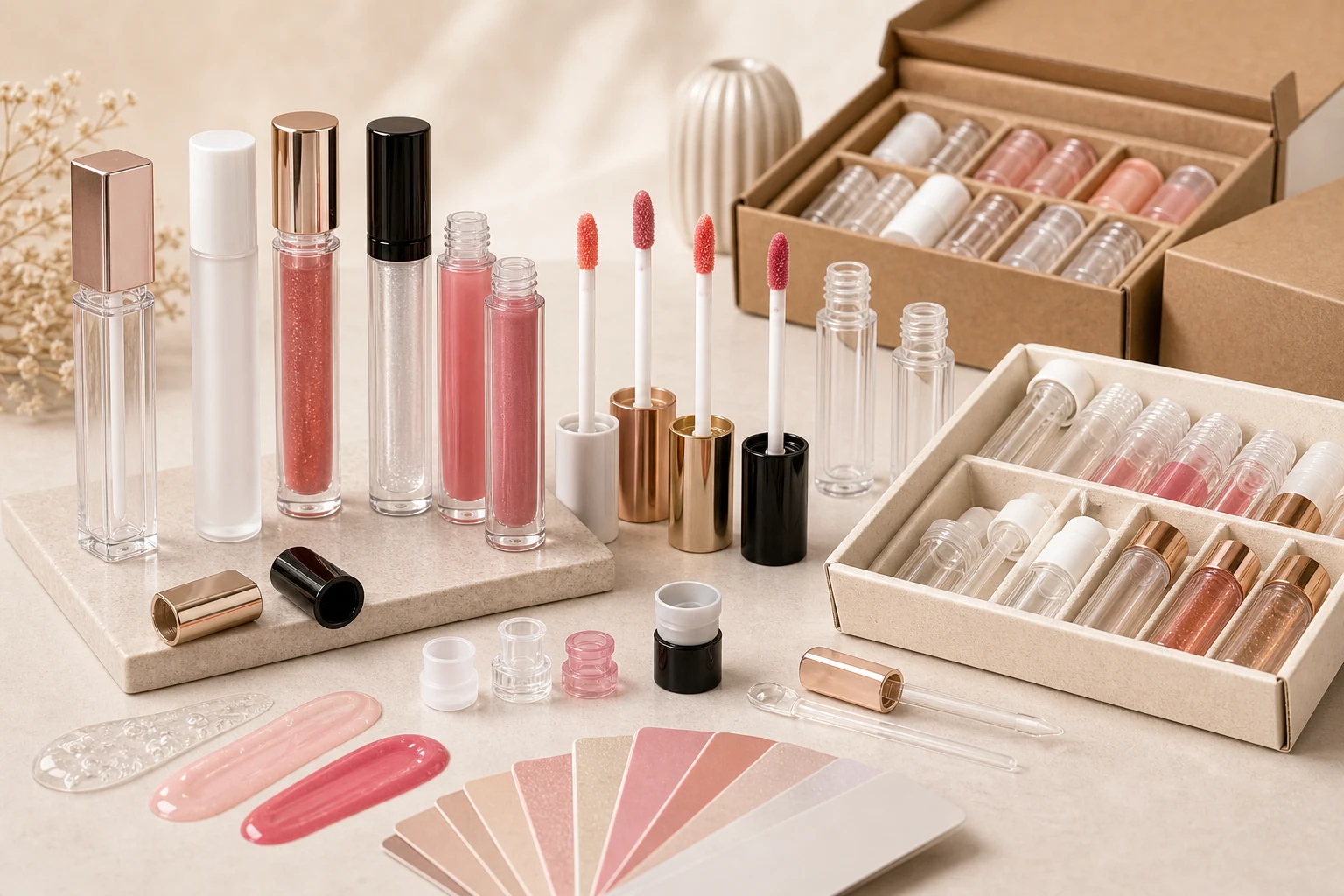
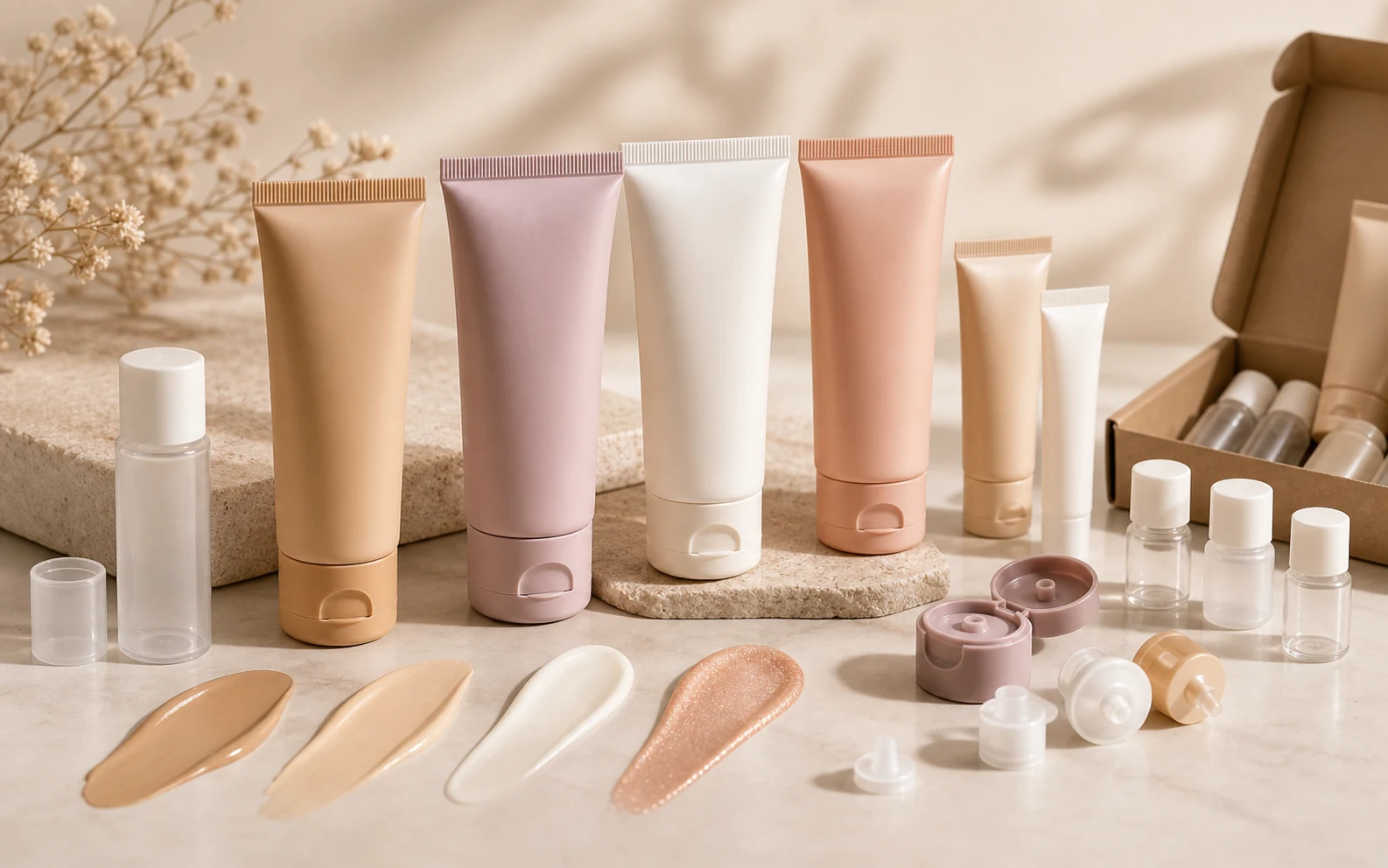
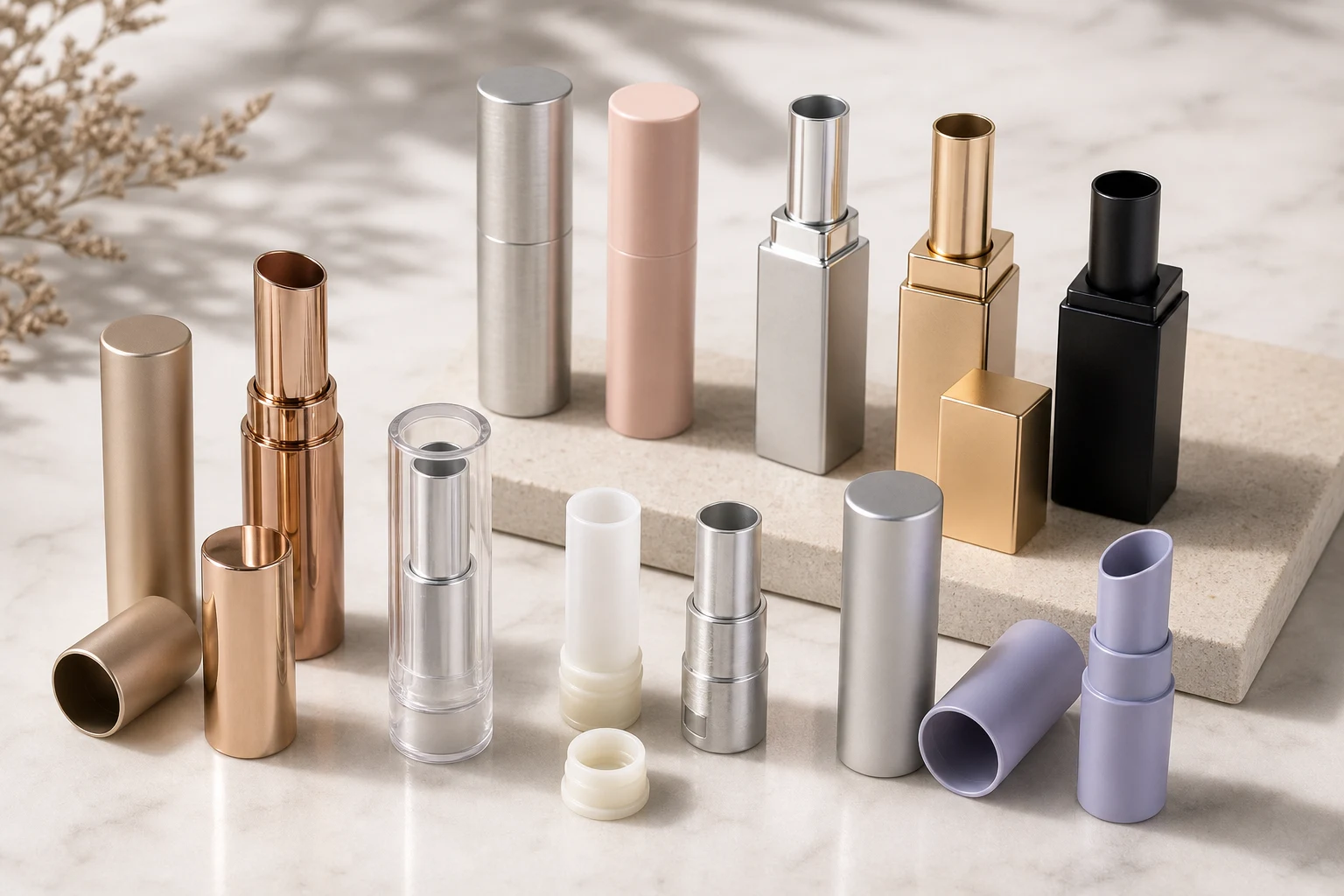
Beauty stick packaging should be selected around the formula first: solid balm, sunscreen stick, foundation stick, concealer, highlighter, lotion stick, deodorant, or treatment stick. A pack that looks right but fails during filling, twisting, or cap testing can slow the launch more than a late artwork file.
For B2B buyers, the useful comparison is capacity, shape, material, mechanism, finish, MOQ, sample timing, and decoration route. JPS can support stock-based stick packaging for faster projects and custom beauty stick packaging when the brand needs color matching, logo decoration, refillable structure, square or thick formats, or a more ownable shape.
As a practical starting point, many stock or standard structures can be discussed from around 5,000 pcs, while custom colors, special finishes, PCR-ready material, and new component combinations usually start closer to 10,000 pcs depending on the structure and artwork.
Quick Buyer Summary
| Decision point | Recommended direction |
| Guide focus | Choosing stick packaging by formula, capacity, material, finish, MOQ, and testing needs. |
| Buyer profile | Skincare, makeup, deodorant, sun care, and personal care brands preparing a stick-format launch. |
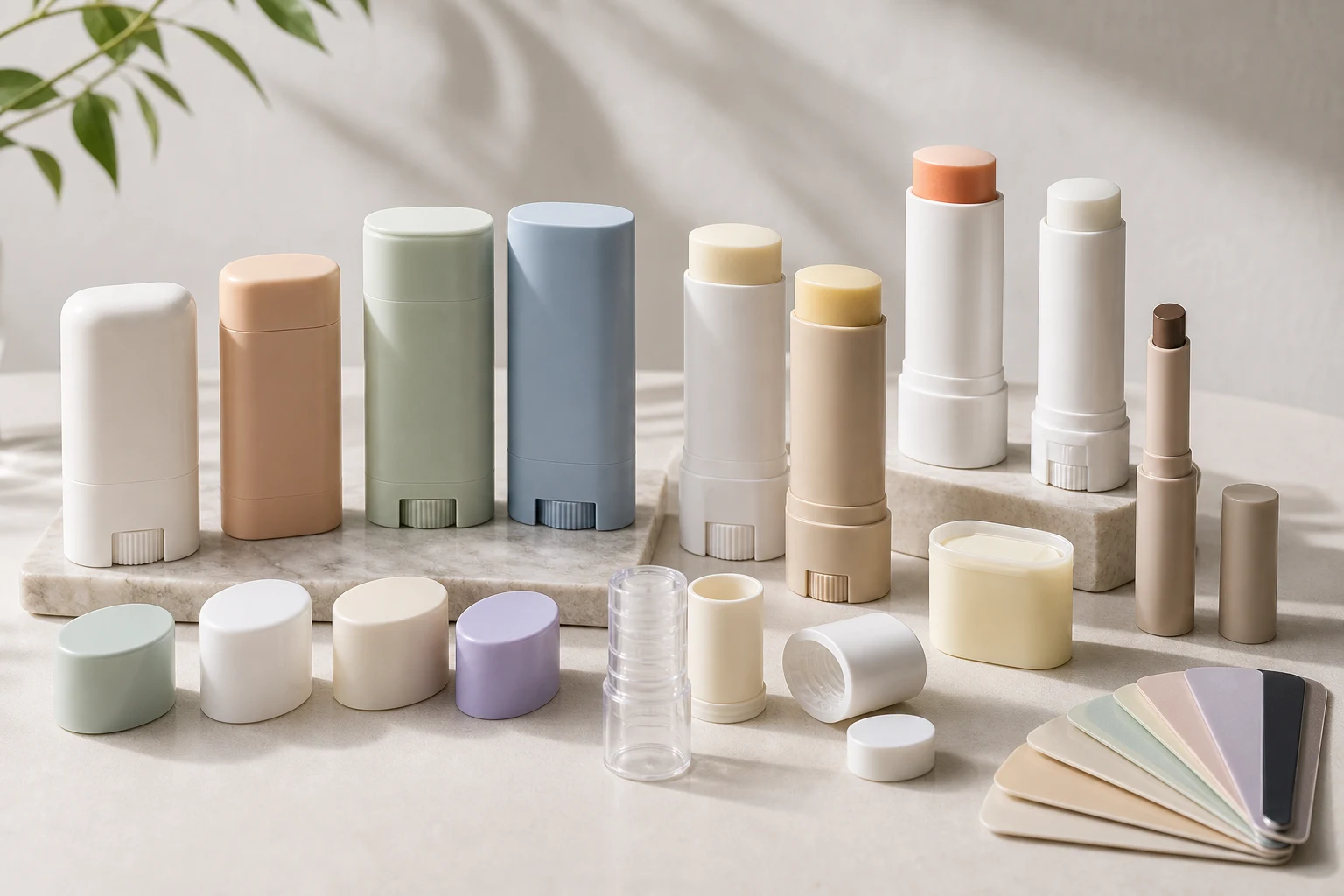
| Common sizes and shapes | 5 g, 8 g, 10 g, 15 g, 20 g, 50 g, and 75 g in round, oval, square, slim, or thick/wide formats, depending on formula and retail position. |
| Quote preparation | Share formula type, fill weight, decoration direction, target MOQ, sample deadline, and launch date. |
Buyer Decision Points
| Project need | What to confirm before sampling |
| good, premium, matte, metallic, or branded beauty stick packaging | This project is comparing shelf appearance, finish durability, color control, decoration area, and whether the pack can support a premium skincare or makeup line. |
| how to choose beauty stick packaging | This project needs a decision path by formula type, fill weight, stick shape, material, mechanism, MOQ, and sample testing before opening a mold or placing a bulk order. |
| beauty stick packaging for concealer, face, sunscreen, balm, deodorant, or lotion | This project is not asking for one generic stick. The right pack depends on fill temperature, formula hardness, glide, cap seal, and application area. |
| plastic, PCR, refillable, or sustainable beauty stick packaging | This project needs material options that can be explained clearly: PP, PCR-ready PP, refillable pods, simplified decoration, and claim wording tied to actual components. |
| When the project is actually an aluminum lipstick tube | Use a lipstick tube guide when the buyer needs bullet cup size, shell finish, cap fit, and twist mechanism details rather than a wider beauty stick format. |
Beauty Stick Packaging Specification Table
| Item | Common choices | Buyer note |
| Capacity | 5 g to 20 g for makeup and skincare sticks; 40 g to 75 g for deodorant or body sticks | Match fill weight with formula density, retail price, and user application area. |
| Shape | Round, oval, square, slim, thick or wide stick formats | Square and thick sticks can improve shelf blocking and grip, but need cap, cup, and carton checks. |
| Material | PP, PCR-ready PP, PET, ABS outer shells, aluminum-look shells, paper directions | Material choice affects recyclability, finish, mechanism strength, and filling temperature. |
| Mechanism | Twist-up, push-up, refill pod, top-fill, bottom-fill | Test mechanism movement with the real formula before bulk approval. |
| Finish | Matte, glossy, soft-touch, metallized, labeled, silk screen, hot stamping | Decoration can change MOQ and sample lead time. |
| MOQ | Stock structures may start lower; custom color or finish usually requires higher MOQ | Confirm MOQ by exact SKU, not by category name. |
Choose the Stick Pack by Application
| Application | Packaging direction | Compatibility check |
| Foundation or concealer stick | Slim twist-up case with stable cup and smooth mechanism | Check bullet stability, twist torque, cap retention, and shade labeling. |
| Sunscreen stick | Wider PP or refillable stick with secure cap | Test filling temperature, leakage after heat exposure, and cap fit for travel use. |
| Balm or solid serum | Small to medium stick with smooth glide and hygienic direct application | Check formula drag, mechanism movement, and residue around the rim. |
| Deodorant stick | 40 g to 75 g oval or round PP stick | Confirm top-fill or bottom-fill method, wall strength, and twist performance. |
| Square or thick stick | Distinctive shelf shape for skincare, highlighter, body balm, or sunscreen | Check mold availability, grip feel, filling line fit, cap retention, and carton dimensions. |
| Lip and cheek stick | Compact decorated stick with strong shelf finish | Test formula transfer, cap seal, decoration durability, and carton fit. |
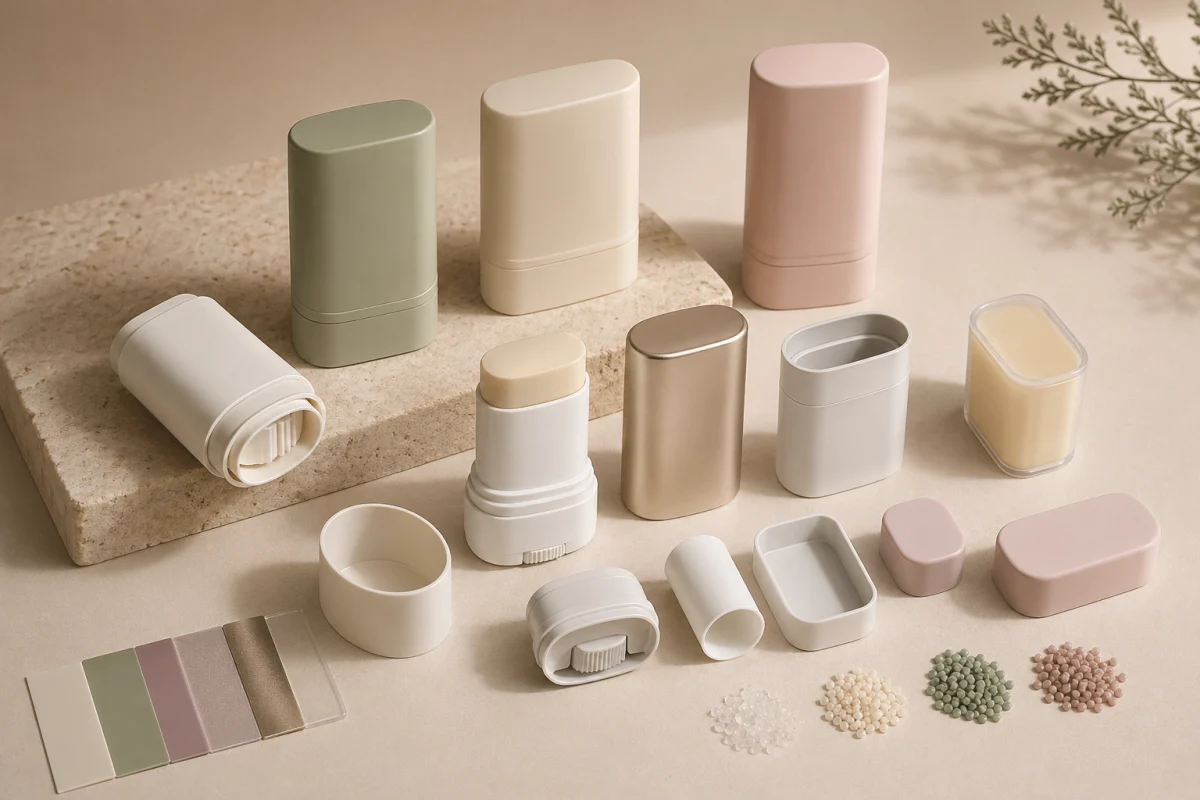
Material, Capacity, Closure, and Finish Options
A beauty stick can look simple from the outside, but the buying decision involves several separate parts: outer shell, inner cup, cap, mechanism, label or print area, and carton. Treat the stick as a component system rather than a single empty container.
If the project needs a sustainability angle, start with mono-material PP, refillable structure, PCR-ready material, or simplified decoration. Each option still needs formula and filling checks before claims are used in marketing.
| Option | Best fit | Procurement note |
| PP mono-material stick | Balm, sunscreen, deodorant, and skincare sticks | Useful when recyclability and practical cost matter. |
| PCR-ready PP direction | Skincare, deodorant, and personal care launches with a material story | Confirm PCR percentage, color tolerance, mechanism stability, and claim wording before approval. |
| Refillable stick | Premium skincare, deodorant, and repeat-purchase products | Requires user refill logic, outer case durability, and replacement pod planning. |
| Aluminum-look or metallized shell | Color cosmetics and premium stick launches | Check scratch resistance and color tolerance on real samples. |
| Soft-touch or matte finish | Modern skincare and makeup lines | Test surface durability after handling, filling, and carton packing. |
Formula Compatibility and Sampling Tests
Formula compatibility is not optional for stick projects. The formula, fill temperature, shrinkage, mechanism friction, and cap seal all affect the final user experience.
| Formula or project risk | What to test before production |
| High oil or wax content | Check plastic stress, surface staining, cap fit, and mechanism movement after aging. |
| Hot-fill formula | Confirm material temperature tolerance, shrinkage, cup fit, and cooling behavior. |
| Sunscreen formula | Test cap seal, portability, product drag, and labeling durability. |
| Refillable structure | Test pod replacement, consumer handling, outer case wear, and long-term fit. |
MOQ, Lead Time, and Customization Notes
MOQ should be discussed by structure and decoration route. A stock stick with a label can move faster than a custom color injection project, while a refillable or metallized pack may need more sample rounds.
| Project route | Typical buyer notes |
| Stock structure + label | Often the fastest route for testing a formula, shade, or limited launch. |
| Stock structure + custom color | Usually needs color matching, sample approval, and higher MOQ than plain stock. |
| Special finish or logo decoration | Confirm screen printing, hot stamping, coating, or metallization on actual parts. |
| New structure or refillable system | Plan extra time for fit testing, tooling discussion, and production confirmation. |
Supplier Checklist Before You Request a Quote
Formula type, fill temperature, and target fill weight.
Preferred application: face, lip, body, deodorant, sunscreen, or treatment.
Target material: PP, PCR-ready PP, aluminum-look shell, paper direction, or refillable format.
Decoration route: label, silk screen, hot stamping, soft-touch, matte, glossy, or metallized finish.
Expected MOQ, sample deadline, launch date, and shipping market.
Artwork requirements, carton size, barcode area, and shade or SKU system.
FAQ
What is the best material for beauty stick packaging?
PP is a practical starting point for many stick formats because it supports twist-up structures and can be reviewed for mono-material or PCR-ready directions. Premium projects may use decorated shells, metallized finishes, or refillable systems after testing.
What MOQ should a beauty brand expect?
MOQ depends on the exact structure and decoration. Stock-based projects may start around 5,000 pcs, while custom color, special finish, or refillable systems usually need a higher order quantity.
Can one stick package work for skincare and makeup?
Sometimes, but the formula decides. A sunscreen stick, foundation stick, balm, and deodorant can have different fill temperature, glide, shrinkage, and mechanism requirements.
Request a Practical Packaging Quote
For a broader product range, review the beauty stick packaging supplier page. For a quote, send your formula type, target fill weight, preferred finish, expected MOQ, and launch timing through Contact Us. JPS can help narrow the stick structure before sampling so the quote is based on real production needs.